Sun-Loving Plants
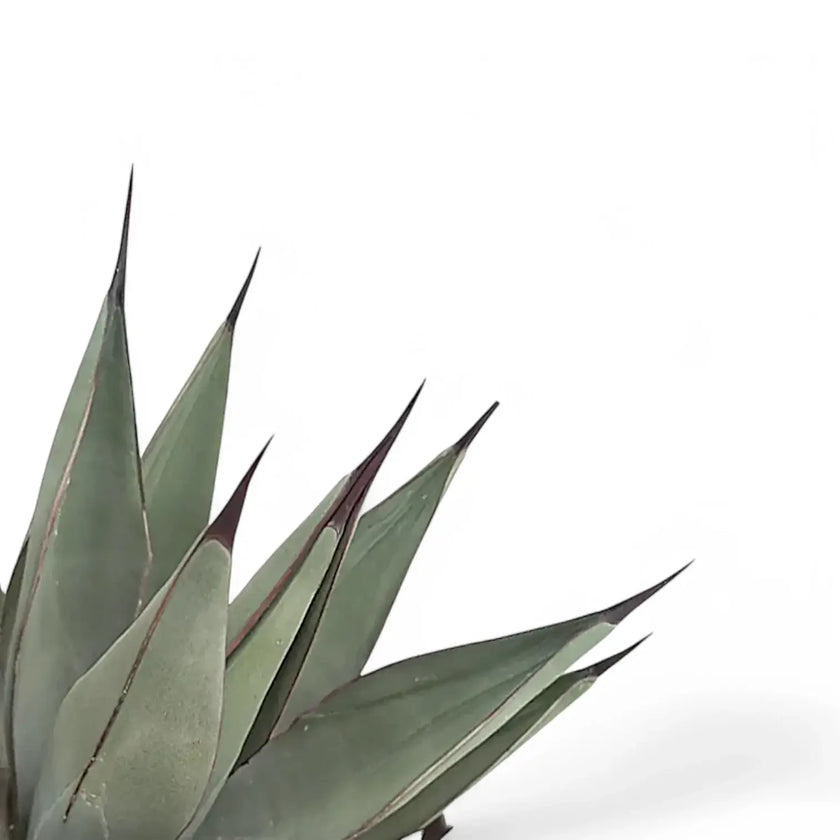
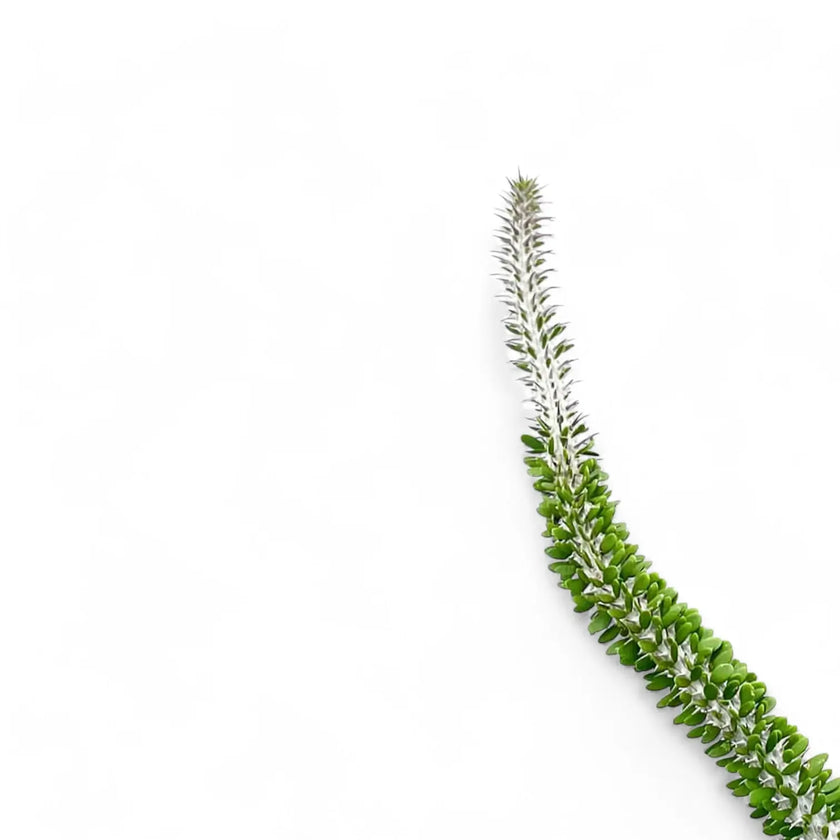
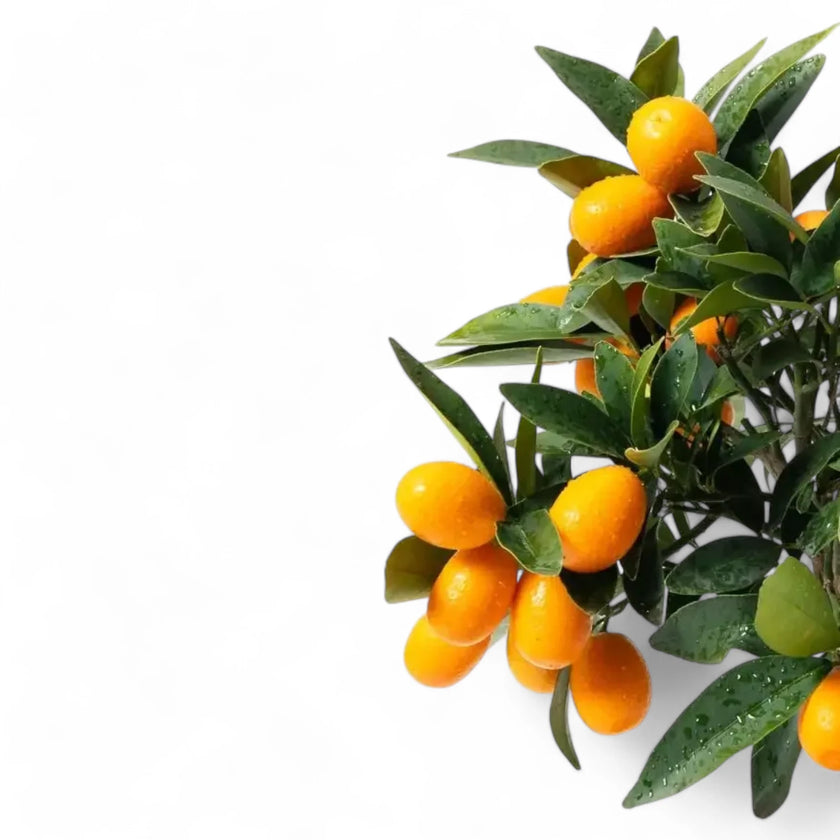
If your brightest windows keep scorching softer houseplants, this collection is built for those spots. Sun-Loving Plants suit strong south- and west-facing windows, exposed sills, direct-sun balcony doors, and proper high-output grow-light setups. The mix leans heavily toward cacti and succulents, with lots of Agave, Aloe, Euphorbia, Citrus, and other plants that stay tighter and sturdier in sustained strong light.
These are not standard bright-indirect houseplants. Most are dry-leaning sun plants rather than humidity-loving tropicals, and they usually do best with gradual acclimation, fast-draining mineral-rich substrate, and a real dry-down between waterings. When the setup fits, strong light gives you cleaner shape, firmer growth, and better structure instead of scorch.

About Our Filters
Filters help you narrow things down fast and without guessing. We put a lot of time and effort into keeping filter values consistent across the shop by cross-checking references and validating them against real-world indoor growing and handling.
Use them as guidance, not guarantees. Homes vary a lot, so for the full context (and any exceptions), open the product page and read the description.
How filtering works
- Filters stack: each selection narrows results.
- Multiple picks in one filter are usually either/or within that filter.
- Undo anytime: click a selected option again (or clear filters).
Safety
- Non-toxic: not known for relevant chemical toxicity for common pets (chewing can still cause irritation).
- Non-toxic & Pet Friendly: stricter shortlist that also avoids many physical hazards like spines, sharp tips, thorns, and bristles.
Common care filters
- Light level: Low indirect → Full sun/direct.
- Water Needs: Low / Medium / High.
- Humidity Level: Normal (40–50%) / Moist (50–60%) / Humid (60–80%+).
Growth & size
- Growth Habit: climbing, trailing, crawling, upright, self-heading, clumping, rosette.
- Needs support? none / optional / needed.
- Delivered size: pot size + plant height at shipping.
- Max size indoors: realistic long-term height + spread indoors.
Looks & botanical browsing
- Leaf Shape & Size + Foliage Colour: quick visual categories.
- Plant Type / Genus / Family: browse by broad group or taxonomy.
If you want to see the references we use, Plant Care Resources is simply a curated list of source links (POWO, Kew, and more).
Sort by
Filters
Sun-Loving Plants
Quick Overview
Sun-Loving Plants: what these plants expect
- Light load: Several hours of direct sun or equally strong artificial light once acclimated.
- Placement: Very close to unobstructed windows or under strong, well-positioned grow lights; this is the brightest end of the indoor light range.
- Watering: Strong light dries pots faster, so thorough watering followed by a clear dry-down is usually safer than keeping substrate constantly damp.
- Substrate: Very free-draining mixes with a high mineral share help reduce rot risk in roots, stems, and crowns.
- Heat management: Glass can push leaf temperature far above room temperature; scorch, bleaching, or damage on one side is an early warning sign.
- Pets: Many plants in this category are not pet-safe, especially Euphorbia and sharp or irritating species; check individual listings before placing within reach.
Details & Care
Sun-Loving & High-Light Plants: make use of your brightest spots
Why some plants keep burning in your windows
South- and west-facing windows, large balcony doors, and strong grow lights can deliver far more light than many indoor plants can handle well. Shade-adapted species often respond with bleached patches, curled edges, dry scars, or stalled growth because they were never built for sustained direct sun indoors, especially when they come straight from softer nursery conditions.
The usual problems are simple. Shade plants get placed straight onto hot sills, dense peat-heavy substrate stays wet for too long in full sun, or pots sit so close to lamps that leaves are damaged before the plant has time to adjust. That does not mean your brightest spots are unusable. It means they need plants that are actually suited to them.
Plants that really suit strong light
This collection is built mainly around plants that come from exposed, high-light, or seasonally harsh conditions and respond well when you give them similar conditions indoors.
Succulents and cacti are the backbone of the category. They store water, tolerate intense light better than soft foliage plants, and usually stay more compact and better formed when light is genuinely strong. Agave, Aloe, many Euphorbia, and other dry-climate plants belong here for the same reason.
You will also find sun-tolerant woody plants such as selected Citrus and a smaller number of other structural species that hold their shape better and branch more cleanly in strong light than they do in dim corners.
These are the plants for hot sills, brightest window spots, and shelves positioned directly under proper high-output grow lights, not for average bright rooms that never get a clear patch of sun.
How to use bright spots without causing damage
Once you have the right kind of plant, setup matters more than tricks or products. Move plants into stronger light gradually over a few weeks instead of all at once. Let substrate dry properly between thorough waterings, and use open, mineral-rich mixes that keep air around the roots instead of staying dense and wet for too long.
Watch new growth closely. If fresh growth comes in smaller, paler, rougher, or more stressed-looking while older growth still looks fine, the combination of light and heat is probably too intense. Moving the plant slightly back from the glass, softening midday sun with a sheer curtain, or raising a grow light a little often fixes the problem faster than anything else.
Sun-Loving & High-Light Plants are for homes where the brightest exposures are a real advantage and softer plants have already shown they are not happy there. In the right setup, these plants turn strong light into tighter growth, better shape, stronger spines, and sturdier structure instead of scorch and stress.
If your windows never cast a clear patch of sun and your rooms feel bright but not intense, Bright-Indirect or Low-Medium Light plants will usually give you more reliable results than anything placed directly in front of the glass.
Frequently Asked Questions About Light
How do I know if a spot matches this light level?
Use a lux meter or a reliable phone app and measure close to the leaves, not in the middle of the room. As a practical guide, low indirect is approx. 1,000–5,000 lux, medium indirect 5,000–10,000 lux, bright indirect 10,000–20,000 lux, very bright or some direct 20,000–40,000 lux, and full sun or direct 40,000–80,000 lux. These are approximate spot readings, so season, weather, curtains, and distance from the glass still matter.
Does direct sun through a window count as direct light?
Yes. If sun is hitting the plant directly through clear glass, that still counts as direct light. South- and southwest-facing windows are usually the strongest indoor positions, while filtered or off-angle light is much gentler.
How can I tell if a plant is getting too little light or too much?
Too little light usually shows up as slower growth, smaller leaves, longer gaps between leaves, leaning, faded colour, or stretched growth. Too much light more often causes pale patches, bleaching, brown crispy areas, or scorched-looking leaves.
Can grow lights replace natural light?
Yes, if the fixture is strong enough and run for long enough each day. A good grow light can top up weak window light or do the full job on its own when natural light is not reliable.
Why does watering need to change when light changes?
Because light drives growth and water use. In lower light, plants usually grow more slowly and stay wet for longer, so watering often has to be delayed. In stronger light, the mix dries faster and active plants usually need checking more often.
Limited discounts, extras, and bundle deals for subscribers.
Get points with every order to redeem them for discounts.
Give your friends 10 € off and get 200 Foliage Points.
Use your 10% code on plants when you're ready to order.