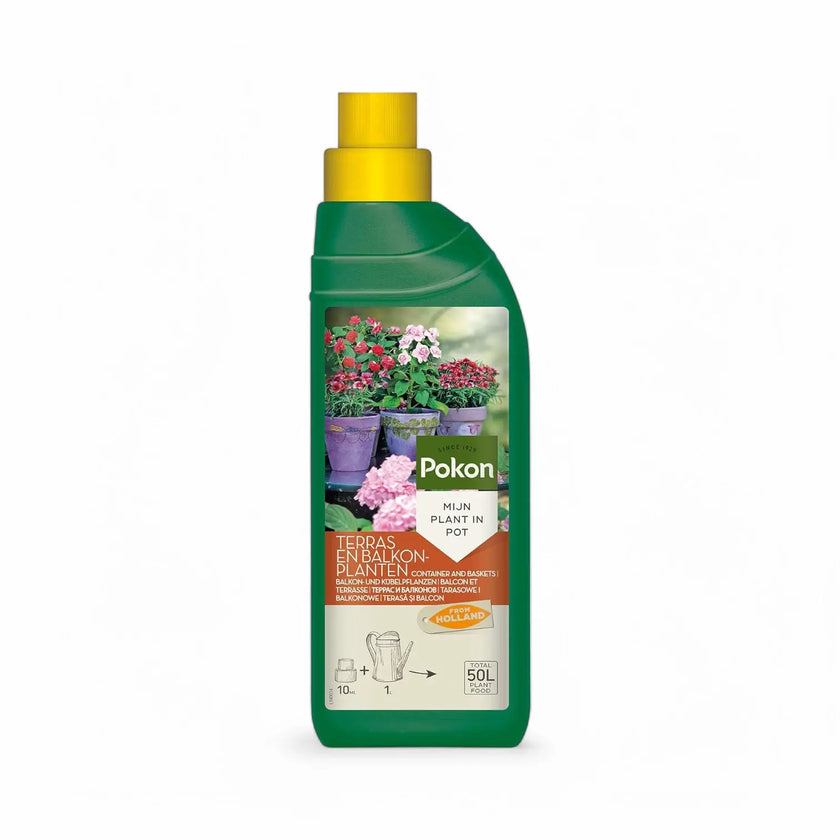
Fertilizers & Additives
Liquid fertilizers, slow-release feeds and a smaller set of targeted additives for potted indoor plants that we use and trust.

About Our Filters
Filters help you narrow things down fast and without guessing. We put a lot of time and effort into keeping filter values consistent across the shop by cross-checking references and validating them against real-world indoor growing and handling.
Use them as guidance, not guarantees. Homes vary a lot, so for the full context (and any exceptions), open the product page and read the description.
How filtering works
- Filters stack: each selection narrows results.
- Multiple picks in one filter are usually either/or within that filter.
- Undo anytime: click a selected option again (or clear filters).
Safety
- Non-toxic: not known for relevant chemical toxicity for common pets (chewing can still cause irritation).
- Non-toxic & Pet Friendly: stricter shortlist that also avoids many physical hazards like spines, sharp tips, thorns, and bristles.
Common care filters
- Light level: Low indirect → Full sun/direct.
- Water Needs: Low / Medium / High.
- Humidity Level: Normal (40–50%) / Moist (50–60%) / Humid (60–80%+).
Growth & size
- Growth Habit: climbing, trailing, crawling, upright, self-heading, clumping, rosette.
- Needs support? none / optional / needed.
- Delivered size: pot size + plant height at shipping.
- Max size indoors: realistic long-term height + spread indoors.
Looks & botanical browsing
- Leaf Shape & Size + Foliage Colour: quick visual categories.
- Plant Type / Genus / Family: browse by broad group or taxonomy.
If you want to see the references we use, Plant Care Resources is simply a curated list of source links (POWO, Kew, and more).
Sort by
Filters
Fertilizers & Additives
Quick Overview
Feeding indoor plants with fertilizers & additives
- Purpose: fertilizers replace nutrients that wash out of pots or get locked in ageing substrates.
- Dilution: indoors, starting at roughly 25-50Â % of the label dose is usually safer than aiming for the maximum.
- Timing: feed plants that are actively growing; pause for freshly repotted, dormant or clearly stressed plants.
- Application: apply feeds to already moist substrate and flush with plain water from time to time.
- Substrate match: airy mixes with a mineral fraction help roots handle regular feeding without suffocating.
- Semi-hydro: use weaker solutions more continuously in semi-hydro or inert media instead of strong single doses.
Details & Care
Fertilizers & Additives: feed plants, don’t fry them
Houseplant fertilizer is a support act, not a rescue button. It helps plants that already have decent light, a suitable substrate and active growth; it does not fix poor conditions on its own.
Here you can compare liquid feeds, slow-release options and additives side by side so you can top up nutrition in a controlled way instead of guessing with every watering.
Fertilizer types in this range
- General liquid houseplant feeds for most leafy indoor plants in active growth.
- Leaner formulas for succulents, cacti and other arid-adapted species.
- Slow-release products that provide a steady, low-effort nutrient background.
- Additives and conditioners such as worm castings or root stimulators for fine-tuning, not miracle cures.
Conditions before you start feeding
- plants receive reasonable light and are pushing new leaves or roots,
- substrate drains properly and does not stay saturated for days,
- roots have recovered from any recent rot, bare-rooting or heavy pruning.
If those basics are off, fix light, substrate and watering first. Adding nutrients to stressed roots usually makes problems worse, not better.
Picking a feed that holds up
- Most foliage plants: use a balanced liquid feed, weaker than the label maximum, on a steady schedule.
- Succulents and arid species: choose leaner products or dilute further to avoid soft, weak growth.
- Additives: layer these only once your basic watering and feeding rhythm is consistent.
Timing, dilution and frequency are broken down in Beginner’s Guide to Fertilizing Houseplants. From this range, choose one main fertilizer that matches how your plants grow and use it lightly but regularly instead of chasing dramatic doses.
Frequently Asked Questions About Fertilizers
Do indoor plants really need fertilizer?
Usually yes, because nutrients in potting mix do not last forever. Most houseplants benefit from feeding while they are actively growing, but not from constant feeding regardless of season or condition.
How often should I fertilize houseplants?
It depends on the fertilizer type, the substrate, and how actively the plant is growing. Most houseplants do best with light, regular feeding during active growth, then less or none when growth slows in lower light or winter conditions. Plants in inert or semi-hydro substrates usually need a different routine.
What happens if I over-fertilize a plant?
Too much fertilizer causes salt build-up in the root zone. That can show up as brown tips, scorched edges, weak growth, wilting, root stress, or a white crust on the mix or pot.
Are coffee grounds, eggshells, or Epsom salts good for houseplants?
Not as routine houseplant fertilizer. They only make sense when they solve a real, identified problem, and used blindly they are more likely to create imbalance, residue, or confusion than to improve growth.
Should I fertilize a stressed or struggling plant?
No. Fix the real problem first, whether that is poor light, root trouble, temperature stress, pest pressure, or bad watering. Fertilizer supports growth; it does not rescue a plant that is already in trouble.
Limited discounts, extras, and bundle deals for subscribers.
Get points with every order to redeem them for discounts.
Give your friends 10 € off and get 200 Foliage Points.
Use your 10% code on plants when you're ready to order.