

Passiflora (Passionflowers)
Passiflora are fast tendrilled climbers that cover supports with leaves and intricate flowers when light, warmth and pot size are right. Indoors and in containers they behave more like balcony or conservatory vines than like typical shelf plants, so they need strong light, a proper frame and deliberate watering and feeding.
Passiflora is a lovely choice for a sunny corner that needs real movement and seasonal bloom rather than another static pot. It is happiest in very bright windows, sunrooms or summer outdoor positions with support already in place, and the plant asks you to train and trim it rather than ignore it. That active relationship is part of the charm.

About Our Filters
Filters help you narrow things down fast and without guessing. We put a lot of time and effort into keeping filter values consistent across the shop by cross-checking references and validating them against real-world indoor growing and handling.
Use them as guidance, not guarantees. Homes vary a lot, so for the full context (and any exceptions), open the product page and read the description.
How filtering works
- Filters stack: each selection narrows results.
- Multiple picks in one filter are usually either/or within that filter.
- Undo anytime: click a selected option again (or clear filters).
Safety
- Non-toxic: not known for relevant chemical toxicity for common pets (chewing can still cause irritation).
- Non-toxic & Pet Friendly: stricter shortlist that also avoids many physical hazards like spines, sharp tips, thorns, and bristles.
Common care filters
- Light level: Low indirect → Full sun/direct.
- Water Needs: Low / Medium / High.
- Humidity Level: Normal (40–50%) / Moist (50–60%) / Humid (60–80%+).
Growth & size
- Growth Habit: climbing, trailing, crawling, upright, self-heading, clumping, rosette.
- Needs support? none / optional / needed.
- Delivered size: pot size + plant height at shipping.
- Max size indoors: realistic long-term height + spread indoors.
Looks & botanical browsing
- Leaf Shape & Size + Foliage Colour: quick visual categories.
- Plant Type / Genus / Family: browse by broad group or taxonomy.
If you want to see the references we use, Plant Care Resources is simply a curated list of source links (POWO, Kew, and more).
Sort by
Filters


Passiflora amalocarpa
Sold out
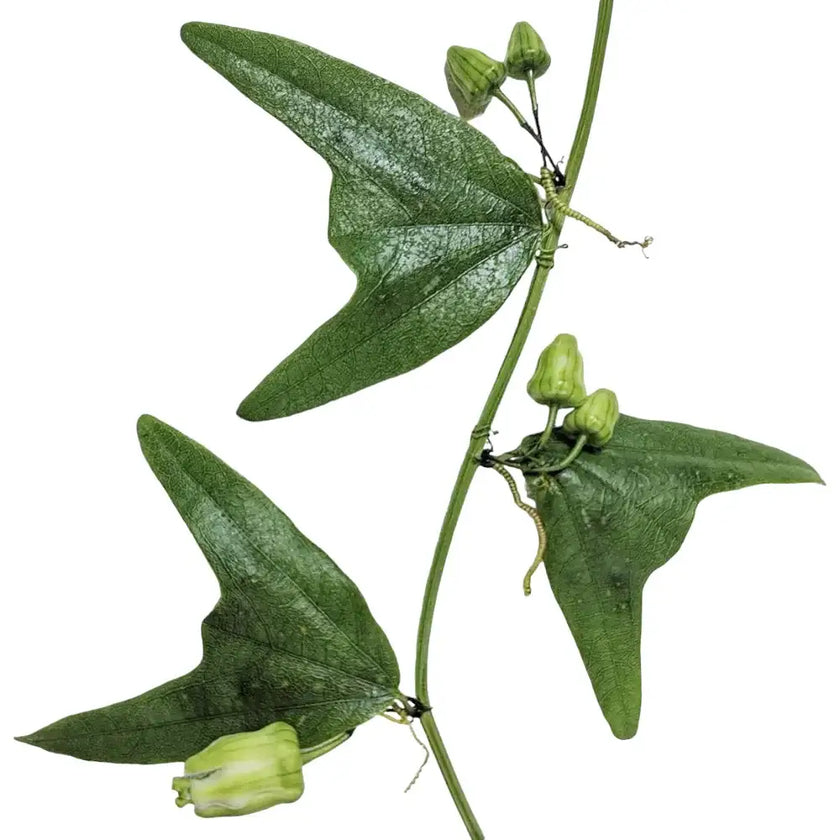

Passiflora biflora
Sold out
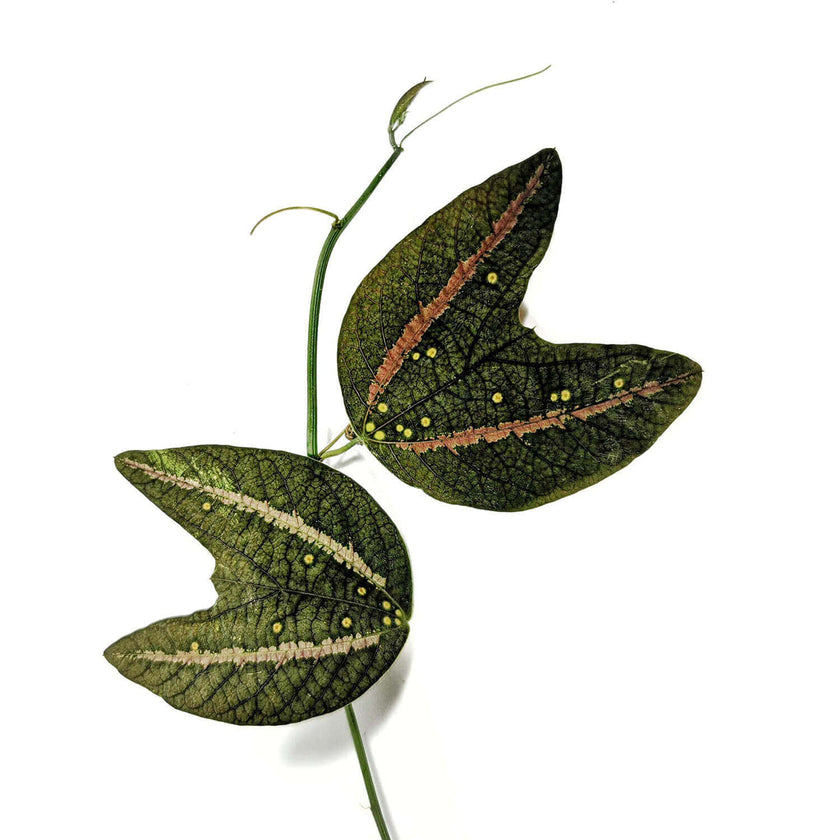
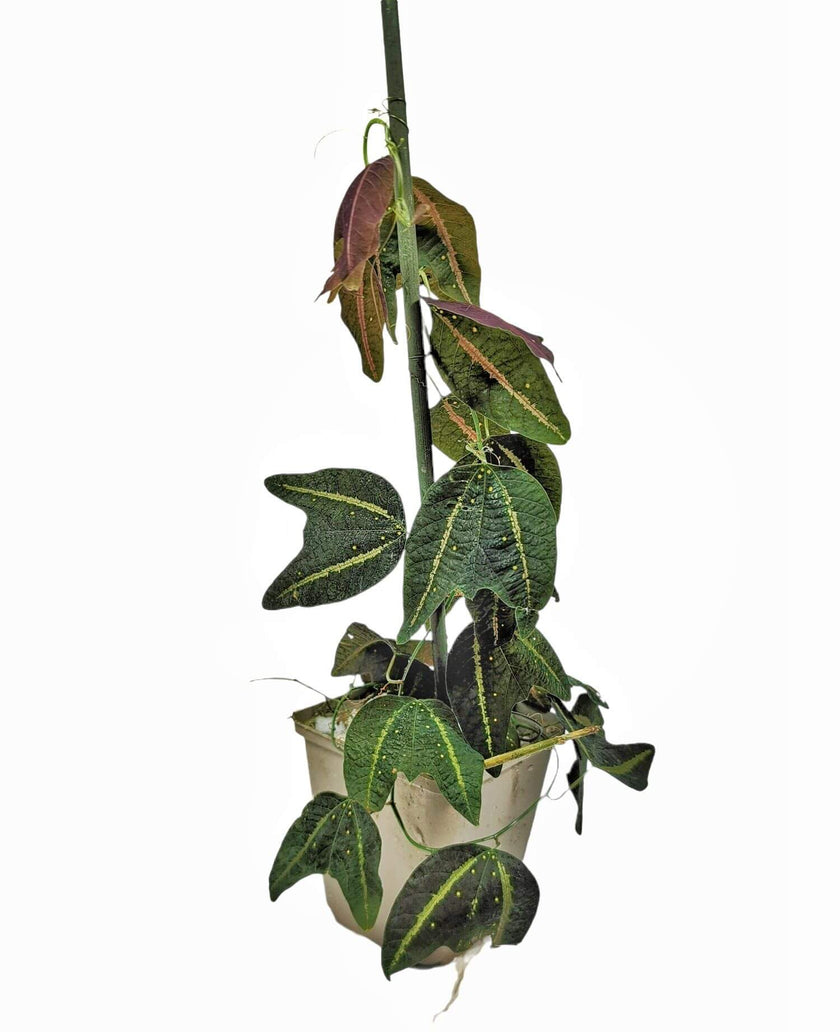
Passiflora boenderi
Sold out
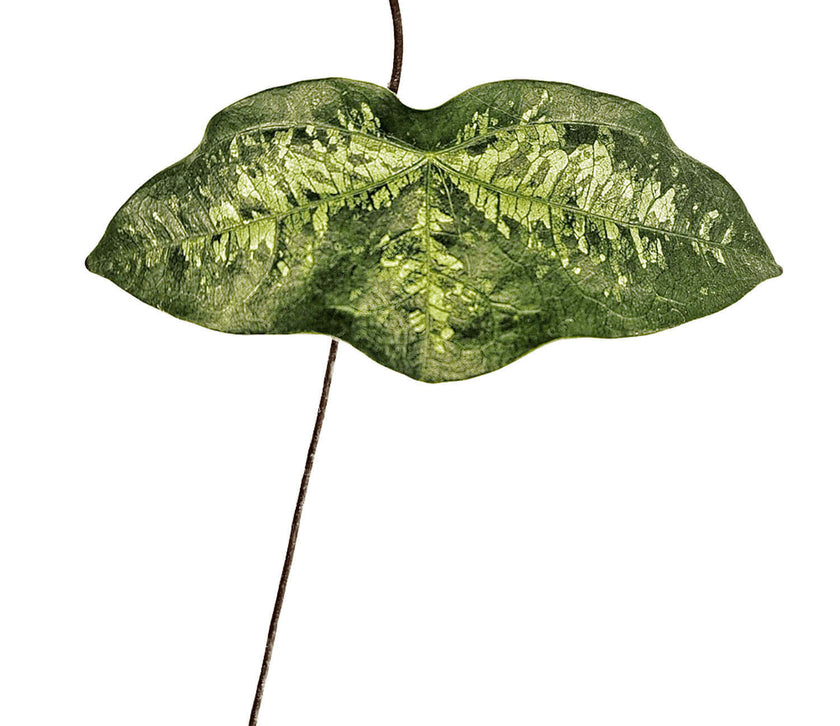
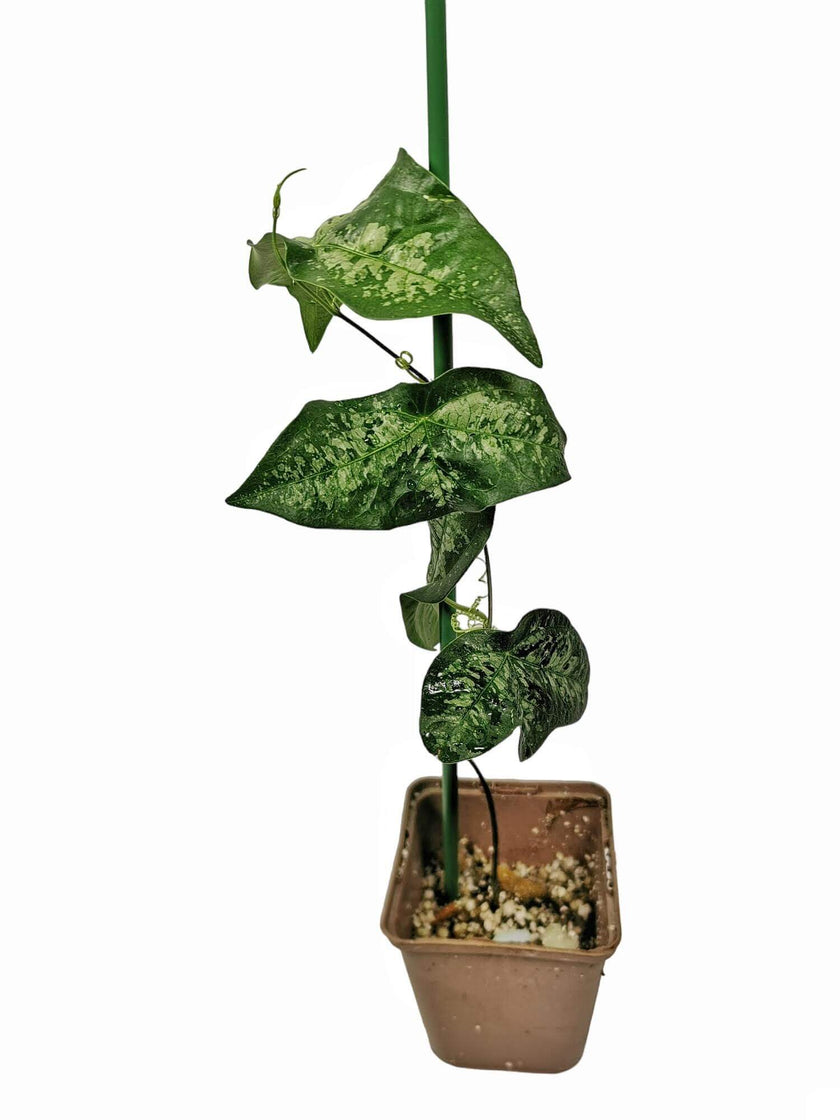
Passiflora coriacea
Sold out


Passiflora jorullensis
Sold out


Passiflora misera
Sold out


Passiflora organensis 'Mariana'
Sold out


Passiflora ornithoura
Sold out
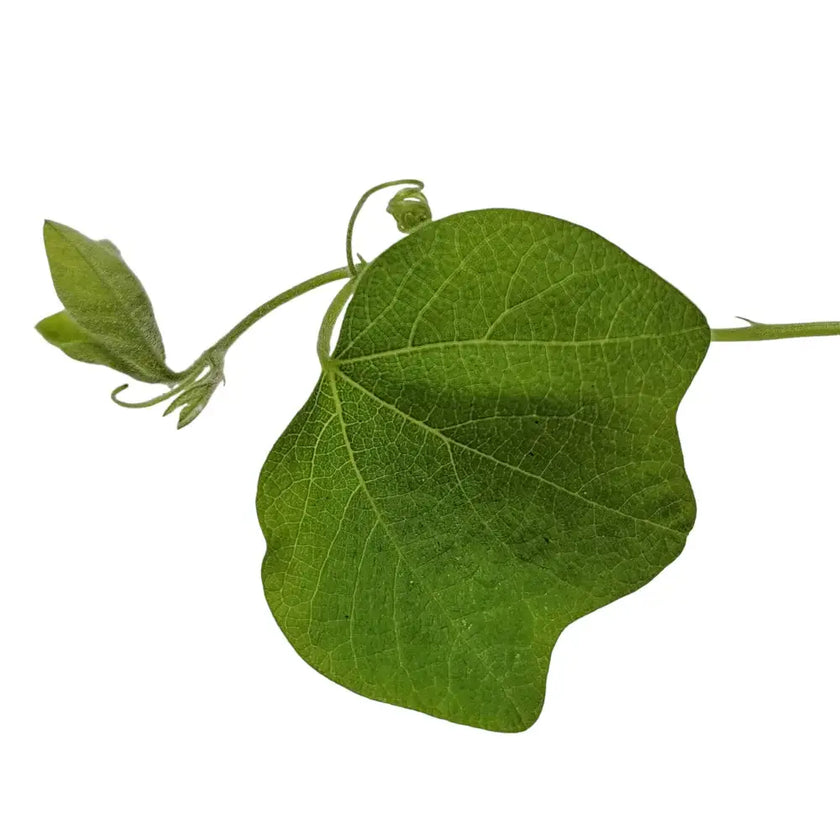
Passiflora sexflora
Sold out


Passiflora tricuspis
Sold out

Passiflora trifasciata
Sold out
Passifloraceae
Passiflora (Passionflowers)
Quick Overview
Passion flowers (Passiflora) - climbing flower show
- Role: fast vine for balconies, sunrooms and very bright windows; grown for dramatic flowers and screening, not as a small houseplant.
- Light: needs several hours of strong sun or very bright light to flower well; softer light keeps leaves but limits blooms.
- Support: must have a trellis, wires or frame to climb; without structure, vines tangle and flowers are fewer and harder to see.
- Watering: keep mix evenly moist in active growth and drier in winter; waterlogging in cool conditions triggers root rot.
- Climate: prefers warm growing season and frost-free overwintering; protect pots from cold, wind and sudden temperature swings.
- Fruit: some forms can set edible fruit in high light with pollination, but treat fruiting as a bonus, not a guarantee.
Botanical Profile
Passiflora (Passionflowers) - botanical profile for corona-bearing climbers
Passiflora is the type genus of Passifloraceae, comprising on the order of 500-600 species of mostly climbing plants. Linnaeus described Passiflora in 1753, and historical accounts indicate Passiflora incarnata as the type species in the original generic concept. Passionflowers are noted for intricate, corona-bearing blooms and, in many species, fleshy fruits such as passionfruit.
- Order: Malpighiales
- Family: Passifloraceae
- Tribe: Passifloreae
- Genus: Passiflora L.
- Type species: Passiflora incarnata L.
- Chromosomes: Multiple base numbers (x ≈ 6, 9, 10, 12) with common somatic counts 2n = 12, 18, 20, 24, 36 and 72, reflecting several dysploid and polyploid lineages.
Range & habitat: Passiflora is predominantly Neotropical, from the southeastern United States and Mexico through Central America and the Caribbean into much of South America, with additional lineages in Southeast Asia, Oceania and a few Old World localities. Species occupy forest edges, secondary vegetation, gallery forests, scrub and rocky outcrops, typically using surrounding vegetation or rock as support in warm, frost-free to mildly frost-prone climates.
- Life form: Mostly perennial, tendril-bearing climbers and scrambling shrubs; a minority are small trees or more herbaceous vines.
- Leaf attachment: Alternate leaves with axillary tendrils; laminae range from entire to variably lobed or dissected, often with extrafloral nectaries and diverse shapes that contribute to herbivore deterrence.
- Leaf size: Blades usually 4-15 cm long in many species, but some woody climbers and trees produce considerably larger leaves under forest conditions.
- Texture & colour: Generally thin to moderately firm green leaves, sometimes glaucous or variegated; surfaces may bear glands, hairs or coloured spots linked to defensive mimicry and nectar secretion.
- Notable adaptation: Highly specialised floral structures (corona filaments, androgynophore, complex nectaries) have co-evolved with diverse pollinators, promoting extensive adaptive radiation and fine-scale ecological partitioning.
Inflorescence & fruit: Solitary or clustered axillary flowers are typically showy, with a multi-whorled corona above a five-tepalled perianth and a central androgynophore bearing stamens and a three-lobed ovary. Fruits are indehiscent berries (the familiar passionfruits) containing many arillate seeds embedded in aromatic pulp, dispersed by birds, mammals and humans.
Details & Care
Passiflora indoor care & buying guide
Why Passiflora takes over its space (in a good way)
Passiflora-the passionflower vines-are about movement and drama, not compact, quiet foliage. Slender shoots race along any support you give them, leaves cast shifting shade, and the buds open into complex, architectural flowers that pull the eye from across a room. When conditions are right, you see it immediately: new tendrils appear, latch on and carry a fresh wave of buds and blooms.
These are not “water once a fortnight and forget” plants. Passiflora is at its best when it has strong light, a decent root run and someone willing to guide and trim it. In return, you get a living screen or archway that looks more like a piece of garden than a single pot plant.
Is Passiflora the right choice for your home?
- Best if you have: very bright windows, winter gardens or balconies with several hours of sun, where you can water deeply in the growing season and provide a solid trellis, wires or an obelisk for the vine to climb.
- More work if: your rooms are mostly cool and dim, the air is very dry for long stretches, or you prefer plants that stay small and tolerate irregular care and low light.
- Good to know: many Passiflora race through summer, then slow or semi-rest in winter when light levels drop. Think of them as long-lived container climbers with a seasonal rhythm, not as standard foliage houseplants.
Where Passiflora comes from-and what that means in a pot
In nature, most Passiflora species grow in warm, bright climates, scrambling through shrubs and trees or over rocks from the subtropics and tropics of the Americas, with a few species reaching into parts of Asia and the Pacific. They experience strong light, good airflow, free-draining but reasonably fertile soil and regular rain, with roots that can See a wide volume of ground.
In a container, you are recreating that on a smaller scale: a generous pot with open, moist but well-drained mix, lots of light, and a position where leaves can dry after watering or summer rain. Many ornamental forms are happiest treated as outdoor or conservatory climbers that come under cover for winter, rather than as all-year, low-light indoor plants.
Light and position-sun lovers with a limit
Passiflora needs real brightness to build wood and make flowers. Aim for at least four to six hours of direct sun a day in our climate-a south- or west-facing window, a bright balcony or terrace, or a spot just behind glass with a light curtain to soften the harshest midday rays. In that band you are far more likely to see sturdy stems, short internodes and regular bud formation.
If light is only moderate, the vine will still grow, but stems run long between leaves, flowers are sparse and leaf drop in winter is more likely. Moving a plant suddenly from shade into full midday sun, especially behind hot glass, is a quick way to burn foliage. If you supplement with grow lights instead of pure daylight, keep them on for long, bright but not blistering days and position the plant far enough below the lamps that the leaves do not overheat.
Watering and mix-deep drinks, never stagnant
Fast-growing vines like Passiflora pull water hard in warm, bright weather. During active growth, let the top 2-3 cm of mix dry a little, then water thoroughly until it runs from the drainage holes, emptying any saucer afterwards. In high summer that may mean watering several times a week; in cooler, dull periods the same pot may only need a soak every week or more. Repeatedly letting the root ball bake completely dry leads to scorched edges, yellow leaves and dropped buds, while permanently wet, heavy mix is a common route to root and collar rot.
Use a container mix that offers both food and structure. A good base is a quality peat-free potting soil or container compost, opened up with coarse material such as bark, pumice or perlite so water can move through freely. Bigger volumes-10-20 litres or more for vigorous types-give roots room to anchor the plant and buffer swings in moisture and nutrients. As the plant fills the pot and the mix starts to dry very quickly, plan on stepping up the container or refreshing the substrate.
Temperature, winter protection and humidity
Most ornamental Passiflora like mild to warm conditions, roughly 15-28 °C. Brief dips a little below that are usually tolerable if the compost is on the dry side, but a combination of cold and wet roots is one of the fastest ways to lose a vine. Tender tropical species should be moved indoors or into a frost-free space before nights fall below about 8-10 °C. Hardier species, such as some forms of Passiflora caerulea, can cope with short light frosts once established in the ground, but even they are safer under cover when grown in pots.
Humidity is less critical than it is for rainforest foliage plants, but it still matters. Normal indoor levels are usually fine if watering is consistent, yet very dry air combined with strong sun or hot, gusty spots can give crisp edges and encourage spider mites. Avoid pressing pots right against hot glass or over radiators. A little background airflow-a cracked window in season or a fan on low-helps foliage dry between waterings and reduces the risk of fungal leaf spots.
Growth, training and feeding
Passiflora is a true climbing vine with tendrils that will grab almost anything. Without a framework it soon becomes a tangle; with a trellis, wires, an obelisk or a simple hoop, you can turn that energy into a controlled screen, pillar or arch. Many species flower on the current season’s shoots, so regular tying-in and light pruning actually improves flowering rather than suppressing it.
Each late winter or very early spring, check the framework and cut out dead, spindly or badly placed stems, shortening vigorous shoots to a sturdy framework. Through the season, pinch back overly long growth and remove thin, shaded stems that are unlikely to flower. Feed with a balanced, slightly potash-leaning liquid fertiliser at reduced strength every couple of weeks while the plant is actively growing and budding. Avoid very strong, high-nitrogen feeds, which encourage masses of leaf and stem at the expense of flowers and can make the vine unmanageable.
Flowers, fruit and a realistic sense of timing
The main reward with Passiflora is the flower display. In good light and warmth, many varieties will bloom from late spring through summer and into early autumn. Some forms, particularly selections of Passiflora edulis, can set edible fruit in a large, well-grown container, but they need high light, time to reach size and either insect visitors or hand pollination. In an average living room you should treat fruit as a pleasant extra, not a certainty, and choose your plant primarily for its flowers and overall look.
Passiflora, pets and handling
Passiflora has a history in traditional herbal use, but not all species or plant parts are safe to eat straight from the pot. Leaves and unripe fruits of some species contain bitter compounds that can cause stomach upset if consumed in quantity. For simplicity and safety, treat ornamental Passiflora as non-edible and prevent pets or children from chewing foliage or green fruits.
Handling is usually straightforward. The sap is not strongly irritant for most people, but it is still sensible to wash your hands after pruning or tying in vines and to keep plant juice away from eyes and broken skin. If you do use passionflower as a herbal product, source it from specialist producers rather than harvesting from decorative plants.
How a new Passiflora behaves after delivery
Vigorous climbers and cardboard boxes are not a natural combination, so a shipped Passiflora often looks a bit battered. You may notice a few yellowing or bent leaves, snapped tendrils and the odd dried bud or tiny fruit. This is almost always transport stress rather than a judgement on your conditions, and those damaged parts will be replaced as the plant starts to grow again.
Once unboxed, move the plant straight to its intended bright position instead of leaving it in a dark hallway. Check moisture a few centimetres below the surface: if the root ball feels light and dry, water thoroughly and let the pot drain; if the mix is still evenly moist, wait a day or two before watering again. Hold off on heavy pruning or repotting until you see a good flush of new growth in your conditions-that is your signal that the plant has found its feet.
Passiflora troubleshooting-quick reads
- Lots of leaves but few or no flowers: usually too little direct sun or too much nitrogen. Move the plant somewhere brighter, ease off on rich feeds and avoid very large pots filled with strong compost.
- Yellowing leaves and weak growth in heavy, wet compost: classic early root rot in a compacted or waterlogged mix. Slide the plant from its pot, cut away brown, mushy roots, replant into a looser substrate and only water again once the top layer has started to dry.
- Sudden wilting in hot, sunny weather: often just water use outrunning supply, especially in a small pot. Check the mix immediately; if it is dry, give a deep soak and consider moving to a larger container. If the compost is still wet, suspect root damage rather than thirst.
- Brown, crisp edges on leaves nearest the glass or a heater: usually sunburn or heat stress, often made worse by low humidity. Shift the plant slightly back from the window, add light midday shade if needed and keep it away from direct hot air streams.
- Sticky residue, curled young leaves or clusters of small insects: typical of aphids, whitefly or scale feeding on soft new growth. Rinse affected stems where possible, remove badly infested pieces and start a consistent control routine before pests spread to the rest of your collection.
Back to top-Ready to let passionflowers take over a sunny corner? Choose your favourite Passiflora from the selection above and start building your own flowering jungle ↑
Frequently Asked Questions About Passiflora
Can Passiflora grow indoors?
Yes, but only if you can give it real light and room to climb. The tender passifloras commonly grown in containers can be kept indoors or under glass, but they still need support and enough space to develop properly.
How much light does Passiflora need indoors?
Give it your brightest practical spot. Flowering drops off fast in weak light, but in very hot glassy positions tender types can still scorch, so the goal is strong light without cooking the foliage.
How often should I water potted Passiflora?
In active growth, water when roughly the top 10–15% of the pot has dried. In winter, let it go a bit further, closer to 20–30%, because the mix stays wet longer and root problems become more likely if you keep watering at summer speed.
Does Passiflora need a support?
Usually yes. Passiflora climbs with tendrils, so it is easier to manage and more likely to flower well when trained onto a trellis or other support instead of being left to trail loose.
Why is my Passiflora not flowering or dropping buds?
Drying out is one of the main causes of bud drop in container-grown passion flowers. Sparse flowering usually comes down to weak light, weak growth, or repeated stress from watering or temperature swings.


Limited discounts, extras, and bundle deals for subscribers.
Get points with every order to redeem them for discounts.
Give your friends 10 € off and get 200 Foliage Points.
Use your 10% code on plants when you're ready to order.