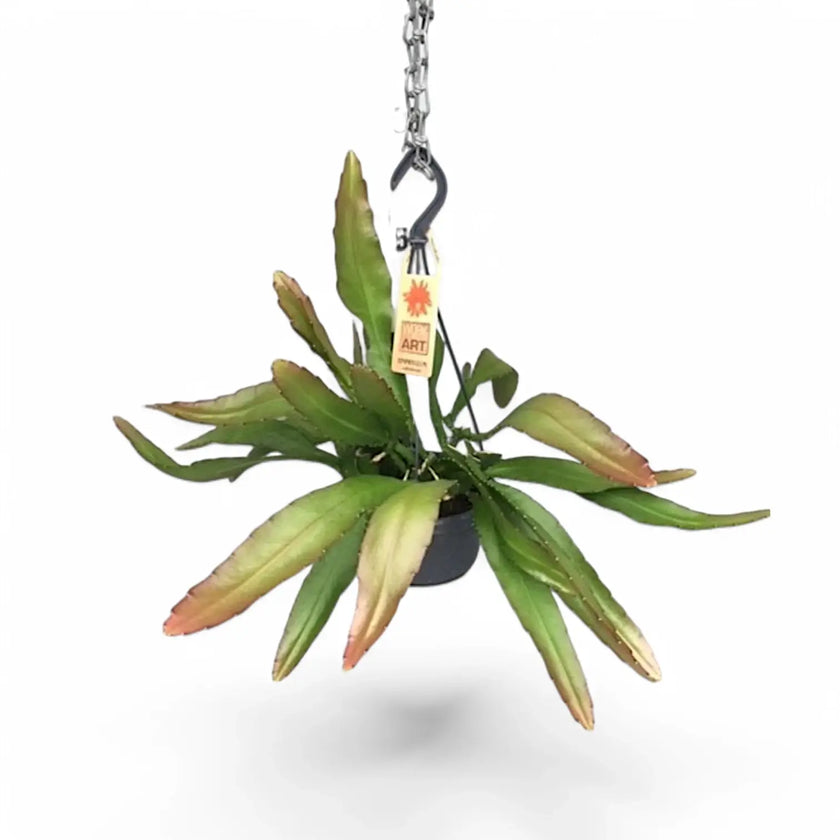
Discocactus
Discocactus is a small tropical cactus genus grown for flattened ribbed bodies and, in maturity, a woolly cephalium that signals flowering age. It looks tidy and compact, but it is not meant for a careless desert-cactus routine on a cold windowsill.
The draw lies in detail and maturity. Discocactus rewards patience with a very particular silhouette, yet it needs very bright light, year-round warmth and a sharply draining mineral mix handled with more care than many tougher cacti. It is a collector’s cactus rather than a first cactus.

About Our Filters
Filters help you narrow things down fast and without guessing. We put a lot of time and effort into keeping filter values consistent across the shop by cross-checking references and validating them against real-world indoor growing and handling.
Use them as guidance, not guarantees. Homes vary a lot, so for the full context (and any exceptions), open the product page and read the description.
How filtering works
- Filters stack: each selection narrows results.
- Multiple picks in one filter are usually either/or within that filter.
- Undo anytime: click a selected option again (or clear filters).
Safety
- Non-toxic: not known for relevant chemical toxicity for common pets (chewing can still cause irritation).
- Non-toxic & Pet Friendly: stricter shortlist that also avoids many physical hazards like spines, sharp tips, thorns, and bristles.
Common care filters
- Light level: Low indirect → Full sun/direct.
- Water Needs: Low / Medium / High.
- Humidity Level: Normal (40–50%) / Moist (50–60%) / Humid (60–80%+).
Growth & size
- Growth Habit: climbing, trailing, crawling, upright, self-heading, clumping, rosette.
- Needs support? none / optional / needed.
- Delivered size: pot size + plant height at shipping.
- Max size indoors: realistic long-term height + spread indoors.
Looks & botanical browsing
- Leaf Shape & Size + Foliage Colour: quick visual categories.
- Plant Type / Genus / Family: browse by broad group or taxonomy.
If you want to see the references we use, Plant Care Resources is simply a curated list of source links (POWO, Kew, and more).
Sort by
Filters
Cactaceae
Discocactus
Quick Overview
Discocactus: cephalium cacti for warm, bright setups
- Growth: slow, mostly globose to flattened cacti that eventually form a woolly cephalium at maturity.
- Light: wants very bright conditions; too little light softens the body and weakens rib definition.
- Watering: water deeply only after the mineral mix has dried well, then drain fully and avoid cold wet roots.
- Substrate: needs a sharply draining, mostly mineral cactus mix rather than peat-heavy general potting soil.
- Temperature: prefers steady warmth year-round and reacts badly to chilly, damp winter conditions.
- Best for: growers who can offer strong light, careful watering and patience for slow maturity.
Botanical Profile
Discocactus: botanical profile for warm-growing South American cacti
Discocactus is an accepted cactus genus first published by Pfeiffer. Plants of the World Online gives the native range as Bolivia to Brazil and Paraguay. Indoors these are grown as small, slow cacti valued for their ribbed bodies, night flowers and the distinctive woolly cephalium that appears only at maturity.
- Order: Caryophyllales
- Family: Cactaceae
- Genus: Discocactus Pfeiff.
- Native range: Bolivia to Brazil and Paraguay
- Typical habit: small succulent cacti with a cephalium at flowering age
Details & Care
Discocactus: warm-growing cephalium cacti for bright collectors’ shelves
Why Discocactus is not a throw-it-in-any-cactus-mix plant
Discocactus looks compact at first: rounded to flattened ribbed bodies, neat spination and a slow, deliberate pace. The turning point is maturity. Once a plant is old enough and well grown, it forms a woolly cephalium at the crown and starts flowering from that specialised structure. That single feature is why collectors chase the genus, and it is also why poor winter care ruins so many plants before they ever get there.
This is not a jungle cactus and not a tough frost-kissed windowsill cactus either. Discocactus wants strong light, sharp drainage and warmth that stays reliable year-round. Treat it like a generic cactus left cold and wet in winter, and it usually fails from the roots up.
What habitat tells you about Discocactus care
Discocactus is native from Bolivia to Brazil and Paraguay, with many species occurring in rocky, sandy or gravelly sites where water drains fast and roots sit in highly mineral, oxygen-rich material. Days can be bright and hot, but roots do not stay trapped in heavy, organic soil for long. That is the cue for indoor growing too: fast drainage, fresh air around the body and no stagnant cold moisture.
Species differ in size and spination, but the indoor rule stays the same. Keep them warm, keep the root zone airy and do not rely on dense, peat-heavy compost to do a cactus job it handles badly.
Light, heat and watering for healthy Discocactus
Give Discocactus the brightest position you can manage without sudden scorch. Strong sun or very bright grow lights help keep bodies compact, ribs defined and spines clean. In dimmer light the plant flattens further, colour dulls and growth becomes soft instead of firm.
Water deeply only when the mineral mix has dried well, then let excess drain fully. During active warm growth, that cycle can be fairly regular. In cooler or darker periods, stretch the interval and keep the plant on the drier side. What it does not tolerate well is being cold with damp roots. That combination is far more dangerous than a slightly late watering.
Substrate, pots and the cephalium stage
A Discocactus mix should be overwhelmingly mineral: pumice, lava, grit, coarse sand or similar particles with just enough fine organic material to stop the pot from turning into sterile stone. The goal is rapid drainage and air around roots, not long moisture retention. Use pots with drainage holes and avoid decorative cachepots that trap runoff around the base.
Once a plant reaches flowering size, the cephalium does not revert back into a normal green crown. From then on, the job is to keep that mature body stable. Avoid rough handling, cold shocks or dramatic repotting stress once a specimen is finally settled and moving toward that stage.
Common Discocactus problems indoors
- Body softening from the base upward: classic root or base rot from cold, wet substrate. Unpot immediately and reset into a drier mineral mix.
- Plant stays flat, dull and weak green: not enough light. Move it into a genuinely brighter spot and increase exposure gradually.
- Fine roots fail after every watering: mix is holding too much stale moisture or the pot is too large for the root system. Reduce organic content and size the pot tighter.
- Brown scars on the sun-facing side after a move: sudden sun shock. Brighten conditions step by step instead of jumping straight into hard glass sun.
- No sign of a cephalium on an older plant: growth has likely been too slow or unstable for too long. Better light, consistent warmth and less root stress matter more than pushing fertiliser.
Back to top Ready for a cactus that rewards patience rather than neglect? Scroll up and choose Discocactus forms that fit your brightest, warmest growing space ↑

Frequently Asked Questions About Discocactus
What makes Discocactus different from other cacti?
Discocactus are usually flattened or disc-shaped rather than tall, and mature plants form a woolly terminal cephalium. That cephalium is the flowering zone, producing the genus’s characteristic white flowers that open at night.
Are Discocactus easy beginner cacti?
Not usually. They are better treated as specialty cacti than starter plants, because they are more sensitive to cold, stale wet roots, and general cultivation mistakes than many easier desert cacti.
Do Discocactus need full sun indoors?
They need very bright light, but not always the harshest all-day summer sun under glass. Strong light matters, but so do warmth, fast drainage, and keeping the roots out of cold wet mix.
How should I water Discocactus?
Water only after most of the pot has dried, usually when roughly the top 70–90% is dry, then water carefully and let the mix drain fast. In cooler or duller conditions, wait even longer. This is a cactus that punishes cold, wet roots quickly.
Why has my Discocactus never flowered?
It usually needs to reach maturity first. Discocactus flower from the cephalium, so if the plant has not formed that woolly crown yet, it is still not at the flowering stage.
Limited discounts, extras, and bundle deals for subscribers.
Get points with every order to redeem them for discounts.
Give your friends 10 € off and get 200 Foliage Points.
Use your 10% code on plants when you're ready to order.