

Ferocactus
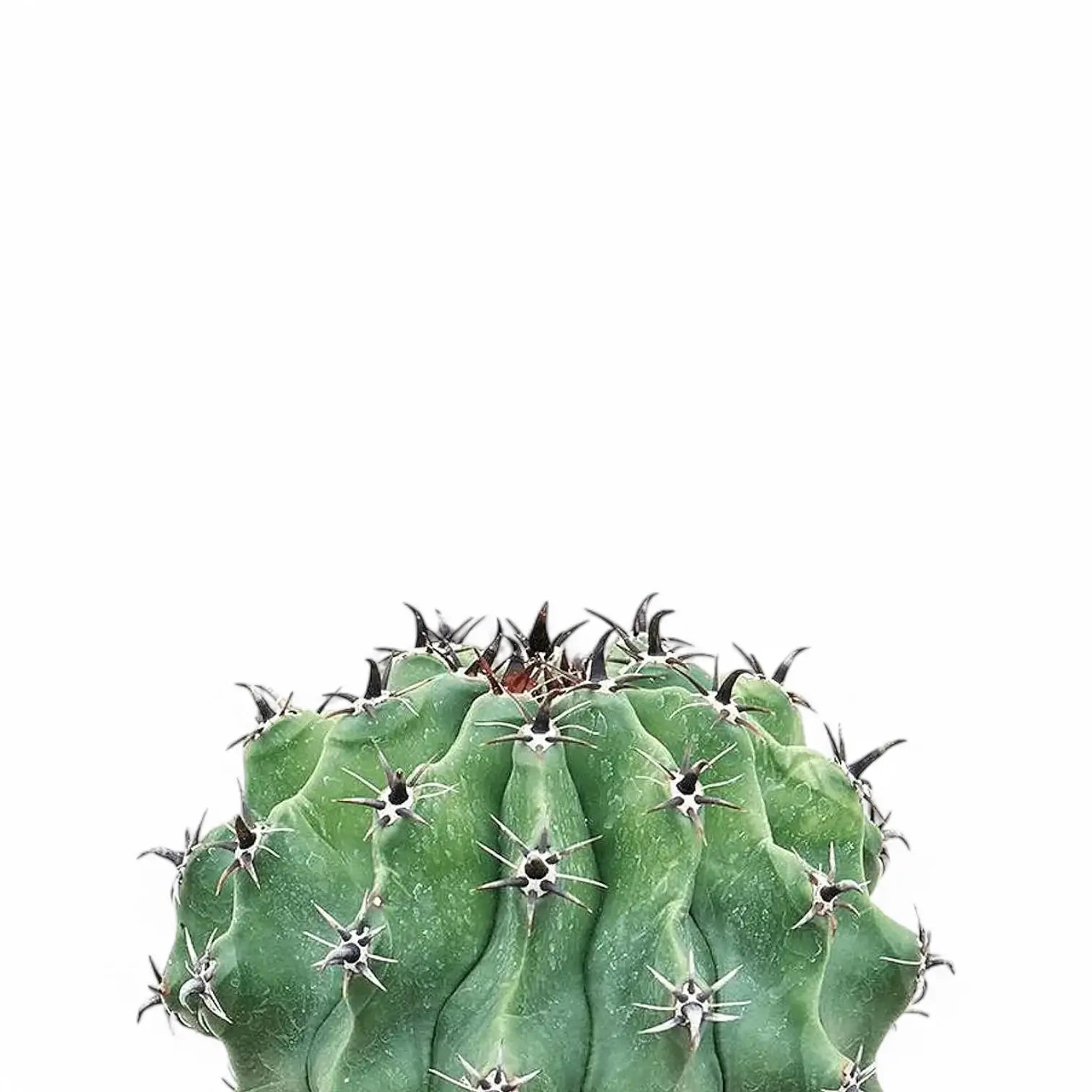
Ferocactus is for the strongest windows in the house and for anyone drawn to slow heavy desert form rather than quick change. Barrel cacti with deep ribs and strong spines hold their shape only with real sun, lean mineral mix and long dry pauses.
This is not background greenery. Ferocactus reads best as a static focal plant where shape and spine pattern do the talking, and that is exactly why it suits serious bright positions better than average room light and mixed watering routines. It also ages well visually, because the slower pace and heavier form make an older plant feel more substantial rather than simply bigger. In a bright room, that slow build-up is part of the attraction.
About Our Filters
Filters help you narrow things down fast and without guessing. We put a lot of time and effort into keeping filter values consistent across the shop by cross-checking references and validating them against real-world indoor growing and handling.
Use them as guidance, not guarantees. Homes vary a lot, so for the full context (and any exceptions), open the product page and read the description.
How filtering works
- Filters stack: each selection narrows results.
- Multiple picks in one filter are usually either/or within that filter.
- Undo anytime: click a selected option again (or clear filters).
Safety
- Non-toxic: not known for relevant chemical toxicity for common pets (chewing can still cause irritation).
- Non-toxic & Pet Friendly: stricter shortlist that also avoids many physical hazards like spines, sharp tips, thorns, and bristles.
Common care filters
- Light level: Low indirect → Full sun/direct.
- Water Needs: Low / Medium / High.
- Humidity Level: Normal (40–50%) / Moist (50–60%) / Humid (60–80%+).
Growth & size
- Growth Habit: climbing, trailing, crawling, upright, self-heading, clumping, rosette.
- Needs support? none / optional / needed.
- Delivered size: pot size + plant height at shipping.
- Max size indoors: realistic long-term height + spread indoors.
Looks & botanical browsing
- Leaf Shape & Size + Foliage Colour: quick visual categories.
- Plant Type / Genus / Family: browse by broad group or taxonomy.
If you want to see the references we use, Plant Care Resources is simply a curated list of source links (POWO, Kew, and more).
Sort by
Filters


Ferocactus peninsulae f. brevispinus
Sold out


Ferocactus schwarzii
Sold out


Ferocactus stainesii
Sold out
Cactaceae
Ferocactus
Quick Overview
Ferocactus (barrel cacti) - desert ball basics
- Form: slow-growing barrel cacti with strong ribs and heavy spines; ideal for sunny, static displays.
- Light: needs full, strong light with extended sun to stay compact and well spined.
- Watering: water thoroughly, then allow mineral mix to dry fully; winter watering should be minimal in cool rooms.
- Substrate: requires highly mineral cactus soil with excellent drainage; organic-heavy mixes rot roots easily.
- Temperature: room warmth is fine; cool, dry winters are tolerated if frost-free, but cold plus wet should be avoided.
- Safety: spines are sharp and rigid-place pots where they cannot catch passing hands or pets.
Botanical Profile
Ferocactus is an accepted genus in Cactaceae native from the southwestern and south-central United States to Mexico. It covers the classic barrel cacti of hot, mineral, strongly drained habitats.
Details & Care
Ferocactus: barrel cacti for serious sun and clean silhouettes
Why Ferocactus earns a prime spot, not a back corner
Ferocactus is what most people picture when they think “barrel cactus”: heavy ribs, bold spines and a clean round or columnar outline that looks like living sculpture. Young plants sit neatly in a hand-sized pot; older ones become serious weights that anchor a sunny sill or plant bench and bring a completely different texture next to leafy aroids.
Once Ferocactus has a gritty mix and enough light, care is surprisingly low effort. Growth is slow but steady, shape stays compact and the plant tells you early when you have misjudged something. Treated like a desert succulent-not a generic “indoor plant” - it can stay with you for decades.
Desert background-what Ferocactus usually needs in a container
Wild Ferocactus species grow in arid and semi-arid regions of the south-western USA and Mexico. They sit on rocky slopes, alluvial fans and thin, mineral soils where sun is intense, air is dry and rain drains away fast. Roots See grit and stones rather than deep, fine loam, and nights cool down enough that plants can reset between hot days.
In a pot, that translates into three things: very strong light, a sharply draining, mineral-heavy mix and genuine dry spells between deep waterings. A cool, peat-heavy, always-damp root ball is exactly the scenario Ferocactus did not evolve for. If you want a bigger-picture comparison with softer succulents and jungle epiphytes, our arid vs. jungle succulents guide is a good mindset reset.
Light: this really is a full-sun cactus
Indoors, Ferocactus belongs in your brightest window, not halfway into the room. A south- or west-facing sill with several hours of direct sun is ideal once the plant is acclimated. Strong east windows can work for smaller specimens if pots sit close to the glass and see real morning sun.
In weak light, bodies stretch upwards, ribs blur and spines soften; you end up with a leaning column instead of a tight barrel. On the other hand, taking a plant straight from a dim shop shelf into unfiltered summer noon sun behind glass is a good way to get flat, pale burn patches on the sun-facing side. Build exposure up over one to two weeks and sanity-check window choices against the practical examples in our full-sun houseplants guide.
Substrate and watering-soak, drain, then forget for a while
Ferocactus roots need oxygen first, water second. Use a lean cactus mix cut heavily with mineral grit: pumice, lava rock, coarse sand and fine gravel. Organic material should be a minority ingredient, just enough to hold structure and a bit of nutrient. When you squeeze a handful, it should fall apart, not smear into a lump.
The watering pattern is non-negotiable:
- Wait until substrate is dry almost all the way through and the pot feels very light.
- Water once, slowly, until liquid runs freely from the drainage holes.
- Let the pot drain completely and never leave it standing in a saucer.
Frequent “sips” into cool, damp mix keep roots in a low-oxygen, permanently stressed state and usually end with rot starting at the base. Long, honest dry periods are fine; this genus is built for drought. Just do not combine drought with deep shade and hope for good results.
Temperature, air and humidity-warm and dry really is fine
Ferocactus is happiest in warm rooms around 18-28 °C. Brief dips lower are usually survivable if the plant is dry, but cold + wet soil is what kills. A pot pressed against winter glass where temperatures hover in the low teens and compost stays damp is asking for a mushy base.
Low humidity is not a problem; these are desert cacti. Misting does nothing useful here and just leaves water spots on spines. What matters is basic ventilation so stems dry quickly after the occasional splash and pots do not sit in a stagnant microclimate behind curtains.
Growth, feeding and repotting-thinking in years, not months
Ferocactus grows slowly, adding ribs, areoles and spine rings season by season. Flowers, when they come, form a ring at the crown, but indoor plants are often grown primarily for shape rather than bloom. Under good light you see a subtle increase in height and width year to year; under borderline light you mostly see stretching.
Feeding needs are modest. During active growth in spring and summer, a very dilute cactus fertiliser once every few waterings is enough. Skip feeding in darker months or when plants are clearly resting. Repot only when roots genuinely fill the pot or when mix has broken down and no longer drains properly; stepping up one size into fresh, gritty substrate every few years is plenty.
Spines, sap and household safety
Ferocactus carries stiff spines that can puncture skin and fabric with almost no effort. Some species also contain mildly irritant compounds in their tissues. Practically, that means:
- Use folded cardboard, thick paper or tongs to handle and repot, not bare hands.
- Keep pots away from narrow walkways, low coffee tables and spots where children or pets play.
- If you do get spined, disinfect the puncture-desert cacti spines are very good at staying dirty.
What Ferocactus usually does after shipping
After a few days in a box, Ferocactus may arrive with some flattened spines, light scuffing or slight wrinkling if it travelled on the dry side. None of that affects long-term health. Focus on the body: it should feel firm, not soft or hollow at the base.
Once unpacked, park Ferocactus directly in its brightest planned spot. Check the mix a few centimetres down. If it is still faintly cool and just damp, leave it alone. If it is completely dry and the pot is feather-light, give one thorough soak and let all excess water drain. Delay repotting until you see clear signs of new growth; there is no medal for disturbing the roots as soon as the parcel arrives.
Ferocactus troubleshooting-quick pattern matching
- Body soft or discoloured at the base in a damp pot: advanced rot from cold, wet, compact mix. Unpot immediately, cut back to firm, healthy tissue and only re-root sound sections in a very gritty, barely moist substrate.
- Lean, elongated barrel tilting toward the window: long-term light deficit. Move Ferocactus right into a strong south or west window or under serious grow lights; without that upgrade, shape will not improve.
- Deep wrinkles between ribs with otherwise firm tissue: normal drought response. Time for one deep watering; then let the plant dry fully again before repeating.
- Flat, pale patches on the sun-facing side: sunburn after a sudden jump in light. Shift the pot slightly back from the glass or filter midday sun and increase exposure more gradually next time.
- Roots circling tightly and water rushing straight through: pot is full and mix is tired. Repot into a slightly larger container with fresh, mineral-rich substrate; do not move a modest rootball into a huge, damp pot “for later”.
Back to top and choose the Ferocactus that belongs in your hottest, sunniest place ↑
Frequently Asked Questions About Ferocactus
What kind of cactus is Ferocactus?
Ferocactus are classic barrel cacti: usually solitary, strongly ribbed, and heavily spined. Even when young they tend to look dense, sturdy, and unmistakably desert-adapted.
Do Ferocactus need full sun indoors?
They want the brightest position you can give them and are one of the least forgiving cactus groups in weak light. Indoors, that usually means as much direct sun as the space can provide.
How should I water Ferocactus?
Water only when the pot has dried almost completely, usually when roughly 80–100% is dry, then water thoroughly and let it drain fast. In winter or in cool, dull conditions, keep it even drier.
Are Ferocactus good beginner cacti?
They can be, as long as you actually have the light for them and do not overwater. The usual problem is not complexity, but trying to grow a true sun cactus in a room that is simply too dim.
Are Ferocactus safe around pets?
Not as a pet-friendly plant. The real issue is injury from the spines rather than poisoning, so it still makes a poor choice for homes with curious pets.


Limited discounts, extras, and bundle deals for subscribers.
Get points with every order to redeem them for discounts.
Give your friends 10 € off and get 200 Foliage Points.
Use your 10% code on plants when you're ready to order.