Skip to content

Cart

Your cart is empty

Caladium

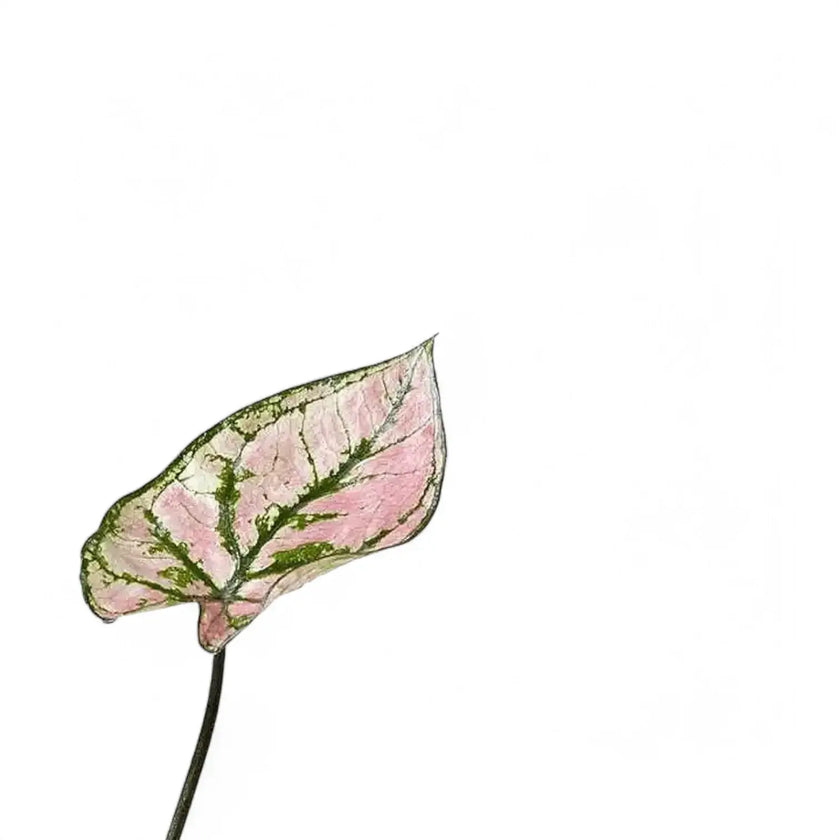
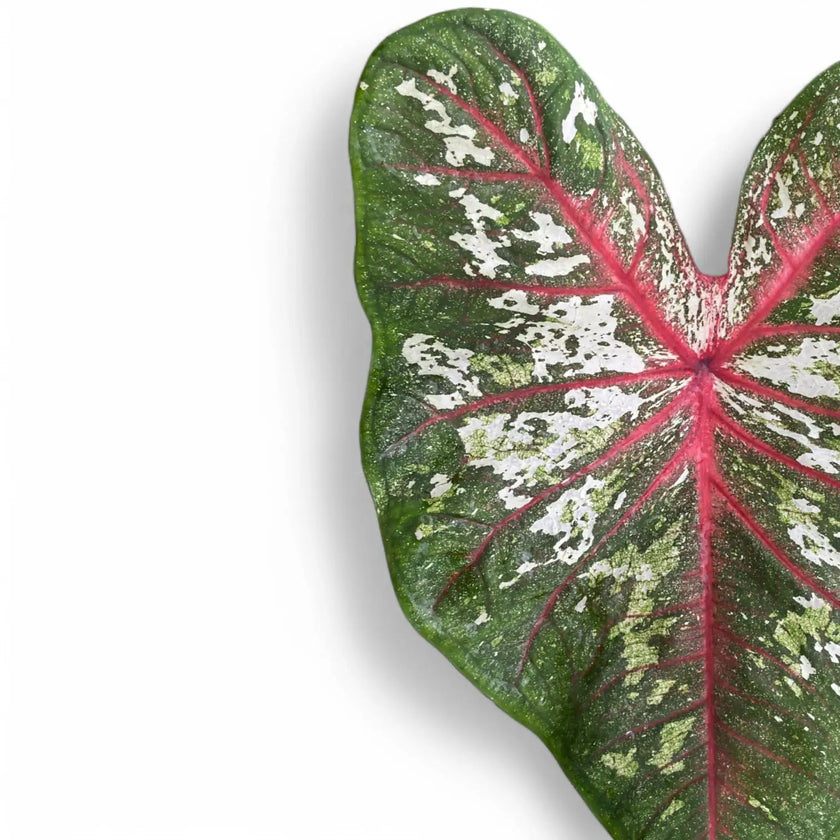
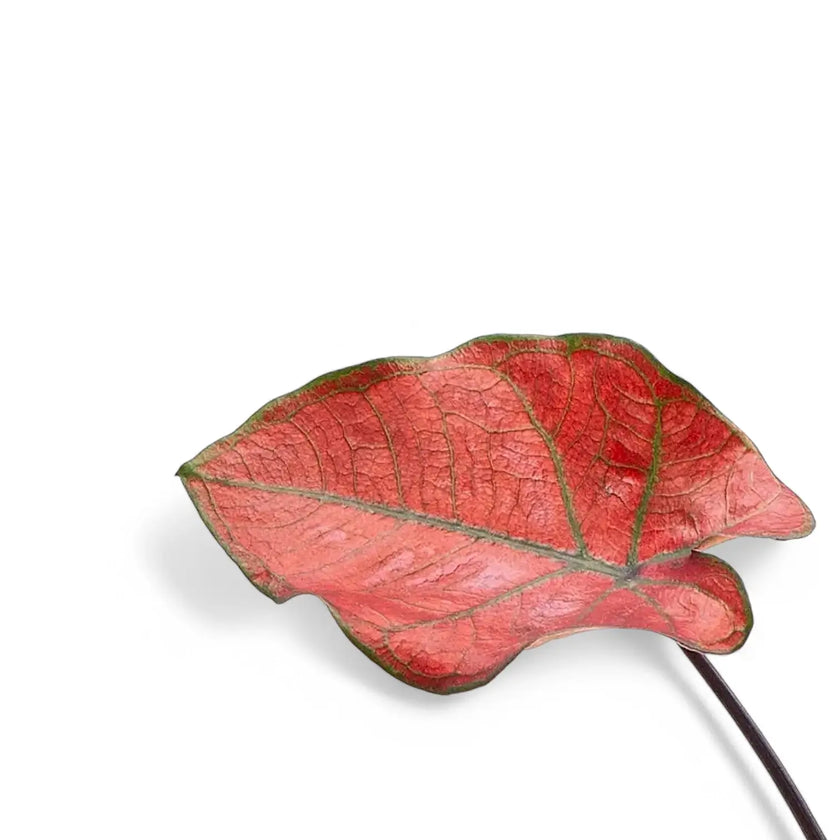
Caladium plant leaf close up on white backround

Sort by

Filters

Caladium 'Candidum' leaf close-up on white background.Caladium 'Candidum'
Caladium 'Carolyn Whorton' leaf close-up on white background.Caladium 'Carolyn Whorton'
Caladium 'Carolyn Whorton' Regular price €9,75
Caladium 'Casey' leaf close-up on white background.Caladium 'Casey' potted houseplant in nursery pot on white background, product photo 2.
Caladium 'Casey' Regular price €8,00
Caladium 'Fiesta' leaf close-up on white background.Caladium 'Fiesta'
Caladium 'Frog in a Blender' leaf close-up on white background.Caladium 'Frog in a Blender'
Caladium 'Gingerland' leaf close-up on white background.Caladium 'Gingerland'
Caladium 'Gingerland' Regular price €9,75
Caladium 'Kelly' leaf close-up on white background.Caladium 'Kelly' potted houseplant in nursery pot on white background, product photo 2.
Caladium 'Kelly' Regular price €8,00
Caladium 'Lucia' leaf close-up on white background.Caladium 'Lucia' potted houseplant in nursery pot on white background, product photo 2.
Caladium 'Lucia' Sold out
Caladium 'Miss Muffet' leaf close-up on white background.Caladium 'Miss Muffet'
Caladium 'Miss Muffet' Regular price €9,75
Caladium 'Pink Beauty' leaf close-up on white background.Caladium 'Pink Beauty'
Caladium 'Pink Beauty' Regular price €9,75
Caladium 'Pliage' leaf close-up on white background.Caladium 'Pliage' potted houseplant in nursery pot on white background, product photo 2.
Caladium 'Purple Light' leaf close-up on white background.Caladium 'Purple Light' potted houseplant in nursery pot on white background, product photo 2.
Caladium 'Red Flash' leaf close-up on white background.Caladium 'Red Flash'
Caladium 'Red Flash' Regular price €9,75
Caladium 'Rosebud' leaf close-up on white background.Caladium 'Rosebud'
Caladium 'Rosebud' Regular price €9,75
Caladium 'Seafoam Pink' leaf close-up on white background.Caladium 'Seafoam Pink'
Caladium 'Seafoam Pink' Regular price €9,75
Caladium 'Spring Fling' leaf close-up on white background.Caladium 'Spring Fling'
Caladium 'Spring Fling' Regular price €9,75
Caladium 'Tapestry' leaf close-up on white background.Caladium 'Tapestry'
Caladium 'Va Va Violet' leaf close-up on white background.Caladium 'Va Va Violet' leaf close-up on white background.
Caladium 'White Christmas' leaf close-up on white background.Caladium 'White Christmas'
Caladium 'White Christmas' Regular price €9,75
Caladium 'White Queen' leaf close-up on white background.Caladium 'White Queen'
Caladium 'White Queen' Regular price €9,75
Caladium bicolor 'Valentina' leaf close-up on white background.Caladium bicolor 'Valentina' potted houseplant in nursery pot on white background, product photo 2.
Caladium praetermissum ‘Hilo Beauty’ leaf close-up on white background.Caladium praetermissum ‘Hilo Beauty’ potted houseplant in nursery pot on white background, product photo 2.
Caladium steudnerifolium leaf close-up on white background.Caladium steudnerifolium

Araceae

Caladium

Quick Overview

Caladium: seasonal foliage from tubers

  • Growth cycle: tuber pushes thin, patterned leaves in warm bright months, then often rests with little or no foliage later.
  • Light: bright, indirect light or very soft sun; deep shade dulls colours, midday beams behind glass scorch fragile blades.
  • Water, tubers: during the active leaf phase keep substrate evenly moist, not swampy; in rest phases pull watering right back.
  • Substrate: responds well to light, organic-rich mix opened with bark and mineral fraction so water does not pool around the tuber.
  • Temperature: prefers warm roots; cool, wet mix is a common trigger for tuber rot and sudden collapse.
  • Toxicity: contains irritant crystals; treat as strictly ornamental indoors.
Botanical Profile

Caladium: botanical profile for tuberous painted aroids

Caladium is a small genus of tuberous aroids in Araceae, best known for hybrids derived largely from Caladium bicolor. The genus was erected by Ventenat in the early nineteenth century. Only around 14-20 species are recognised, but intensive breeding has produced a broad horticultural range of plants with strikingly patterned, paper-thin leaves.

  • Order: Alismatales
  • Family: Araceae
  • Tribe: Caladieae / Colocasieae alliance within subfamily Aroideae
  • Genus: Caladium Vent.
  • Type species: Caladium bicolor (Aiton) Vent.
  • Chromosomes: Somatic counts mostly between 2n = 18 and 38, with evidence for base numbers around x = 9 and multiple polyploid series

Range & habitat: Caladium is native to tropical Central and South America, particularly Brazil and surrounding regions. Species occur in seasonally moist lowland forests, riverine margins and partially open habitats where soils are periodically saturated but not permanently submerged, often passing through a dry-season resting phase underground.

  • Life form: Herbaceous perennials with swollen, underground tubers that drive seasonal flushes of foliage, followed by partial or complete dormancy when conditions dry or cool.
  • Leaf attachment: Petioles arise directly from the tuber and terminate in sagittate to cordate blades, typically with the petiole inserting near the sinus.
  • Leaf size: Many cultivated forms produce blades 15-45 cm long, depending on clone and growing conditions; wild species span smaller to similar ranges.
  • Texture & colour: Thin, almost translucent laminae carry sharply contrasting zones of green, wh
Details & Care

Caladium: painted leaves with a built-in rest mode

Caladium through the year-bold foliage, deliberate pauses

Caladium is all about on/off cycles. In the active phase you get paper-thin, patterned leaves in waves from tubers sitting just under the mix. When light, warmth or care slip, those leaves can vanish while the tuber sits below, very much alive and waiting. If you read that rhythm correctly, you get years of colour indoors over time instead of assuming the plant “died after one season”.

You’ll see compact tabletop Caladium alongside larger forms that fill a pot with white, pink, red or almost-black patterns. All of them share the same basic template indoors: warm temperatures, bright but softened light, evenly moist mix during growth and a different routine when the tuber wants to rest. For species-level nuance, park this overview next to our dedicated Caladium care guide.

Light and colour in Caladium houseplants

Indoors, Caladium is a bright-shade plant. Strong, indirect light near a bright window with a sheer curtain, or slightly to the side of an east- or west-facing window, usually keeps leaves flat, patterned and reasonably compact. Thin blades scorch fast in hard sun behind glass; damage shows up as pale, papery or brown patches between veins.

Very low light rarely kills the tuber outright, but it gives weak growth: long petioles, small leaves and colours that read dull or more green than the label promised. As a rule of thumb, pick a spot where you could read comfortably by daylight without turning a lamp on, and keep Caladium out of focused midday beams. If you want to sanity-check positions, the examples in our bright-indirect light guide are a good benchmark.

Water, tubers and Caladium potting mix

Tubers and roots sit high in the pot and are built for steady moisture in warmth, not for cold, standing water. During the leafed-out phase, aim for mix that dries a little on top between waterings while the lower part stays gently moist. Use your fingers or a wooden skewer to check the top few centimetres instead of watering by calendar.

When it’s time, water properly: slowly, until liquid runs from the drainage holes, then empty any cachepot or saucer so tubers are not parked in a pool. Repeated deep drought in strong light gives limp, folding leaves and early drop; a permanently heavy, compact mix gives soft, rotting tubers. Our watering guide for houseplants walks through how to balance “thorough” and “not drowning” in more detail.

For substrate, think airy but fine-textured. A practical indoor Caladium mix uses a humus-rich base blended with mineral components such as perlite, pumice and fine bark. You want a pot where water can move through quickly, yet fine roots still find moisture and air pockets near the tuber surface.

Warmth, humidity and what dormancy actually looks like

Caladium is happiest at the warmer end of normal indoor ranges. Temperatures around 20-26 °C keep growth moving; short dips a little lower are usually tolerable if the mix is only lightly moist. Long spells below roughly 16 °C in wet substrate are a classic trigger for tuber rot and sudden collapse. Cold drafts along doors or leaky windows in winter do more damage than most most people realise.

Humidity around 50-70 % keeps leaves less prone to crispy edges, particularly on very thin or heavily white sections. Extremely dry air next to radiators pushes brown tips and pest pressure. Stable room humidity plus sensible watering matters more than heavy misting; wet leaves in cool air are exactly what fungal problems want.

Dormancy is where Caladium behaves differently from evergreen aroids. When light and day length drop or rooms cool, plants may shed leaves until you’re left staring at apparently empty substrate. If you gently dig and tubers feel firm, don’t bin them. In cooler homes, cut watering right back in this rest phase, keeping the mix only barely moist so tubers do not shrivel. In consistently warm, bright homes, some plants barely rest and hold a smaller set of leaves year-round. For the bigger picture on how many houseplants handle “off seasons”, see our dormancy explainer.

Common Caladium mistakes-and better options

  • “All leaves vanished, it must be dead”: usually just normal rest. Check tubers; if they are firm and not hollow or mushy, reduce watering, keep the pot warm and wait for the next growth phase.
  • Cold water into a chilly pot: very cold water in cool substrate is an efficient way to shock tubers into rot. Use room-temperature water and avoid heavy watering right before a cold night.
  • Heavy garden soil indoors: dense mixes stay wet and airless. Switch to a lighter Caladium blend with added perlite, pumice and fine bark so roots and tubers can breathe.
  • Midday full sun behind glass: thin leaves scorch quickly. Move pots slightly back from strong windows or diffuse sun with sheer fabric; rely on long, bright indirect light rather than short blasts of intense rays.
  • Watering as if plants stayed evergreen: in a true rest phase, keeping substrate constantly wet around leafless tubers is risky. Once foliage is gone and tubers are firm, switch to occasional light watering until new buds appear.

Back to top and choose the Caladium with the leaf shape, colour and seasonal rhythm that fit your home best ↑

Frequently Asked Questions About Caladium