Anoectochilus & friends-jewel orchids for close-up viewing
What jewel orchids like Anoectochilus bring to a collection
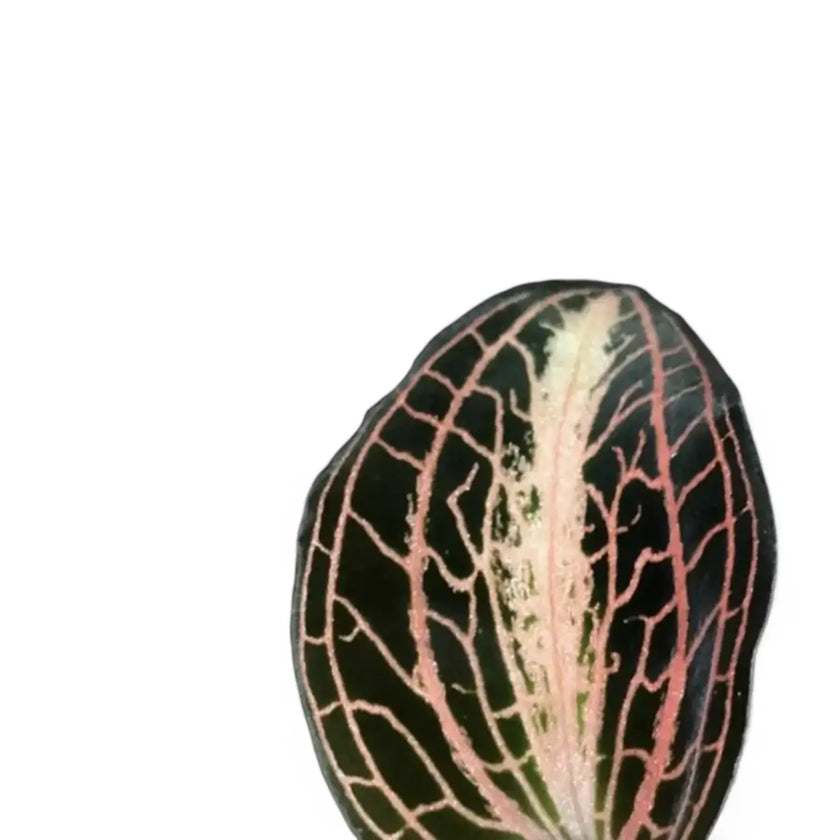
Anoectochilus and related jewel orchids are all about foliage that rewards a closer look. Low rosettes carry velvety blades traced with fine metallic veins-copper, rose-gold, electric green or silver depending on the species and clone. Under soft light the venation catches and reflects each movement, so even a single plant can become a focal point in a cabinet or terrarium.
Unlike epiphytic orchids on chunky bark in bright sun, Anoectochilus behaves more like a very particular forest-floor foliage plant. Think soft light, stable humidity and a mix that stays evenly moist without turning into sludge. Treat these orchids as miniature understory specialists rather than generic “orchids”, and day-to-day care becomes much more predictable.
Forest-floor life-how Anoectochilus grows in habitat
In nature, many Anoectochilus species spread slowly through leaf litter and humus under dense canopy in tropical and subtropical Asia and nearby regions. Roots run through fine organic debris, moss and decomposing wood, with warm, humid air around them and only filtered, low-angle light reaching the foliage. Water arrives often, but it rarely stands-it moves through the upper layers and drains away, leaving a constantly moist but aerated root zone.
Indoors you are recreating that forest-floor band in miniature. Stable warmth, a fine yet breathable mix and consistently moist conditions with high humidity are more important than any fancy orchid pot. Terrariums, cabinets and covered cases that avoid direct sun but hold humidity tend to suit Anoectochilus far better than a bare windowsill in dry room air.
Light for jewel orchids-soft, low glare and consistent
Anoectochilus belongs firmly in the low to lower-medium light camp. Aim for a spot where you can read comfortably but where window glass never looks stark or dazzling. Shaded north windows, positions set well back from brighter exposures, or lower levels under grow lights all work. Within a cabinet or terrarium, offset plants from the LEDs rather than parking them directly under the brightest point.
Too little light gives thin, elongated petioles and wandering stems with less intense venation. Too much light washes colours out and eventually scorches the delicate surface: metallic veins lose contrast and sun-facing areas turn dull, brown or papery. If you want a more objective sense of which windows and shelves qualify as “safe” for Anoectochilus, compare your space with the examples in our bright-indirect light guide and then pick from the gentler end of that range.
Substrate and moisture-keeping Anoectochilus roots breathing
Roots on Anoectochilus are fine and shallow, built for constant light moisture and a lot of air. Let only the upper centimetre or so of the mix dry slightly between thorough waterings while the lower layer stays evenly damp. Use room-temperature, low-mineral water if possible and always allow excess to drain or run away from the container so water does not pool around the crown.
A workable mix combines a humus-rich base with structure: chopped sphagnum or fine coco fibre, small orchid bark, pumice or perlite and a little charcoal. The aim is a fine but springy texture that holds moisture in its fibres yet still has enough pore space for oxygen. If the mix packs into a dense, shiny paste when squeezed, it is too heavy; if it falls apart into dust and dries instantly, it is too coarse. For background on how particle size and pore structure affect roots in closed systems, the principles in our drainage vs aeration guide apply directly to jewel orchids.
Repeated deep drought shows as limp, wrinkled leaves, brittle petioles and stalled growth. Constant saturation in an anaerobic mix produces soft, dark stems at the substrate line, foul smell and quick collapse. Rather than following a calendar, watch how the medium behaves in your particular container and adjust frequency and volume accordingly; our watering guide walks through practical ways to read moisture beyond just looking at the surface.
Temperature, humidity and air movement Anoectochilus usually needs
Typical warm indoor temperatures around 18-24 °C suit most Anoectochilus well. Short, mild cool spells are usually manageable if the mix is only lightly moist. Prolonged cold below roughly mid-teens combined with wet substrate is where trouble begins: crowns soften, roots fail and leaves collapse from the base. Small pots on cold stone, next to drafty windows or in unheated rooms are more risky than the thermostat might suggest.
Humidity is non-negotiable for clean foliage. Relative humidity around 60-80 % keeps leaves flat, venation sharp and new growth expanding properly. Open-room culture can work in warm homes with reasonably stable humidity and careful watering, but enclosed environments-terraria, cabinets, cloches with ventilation-make life much easier. Misting alone gives a brief spike and often spots the leaves; a stable, humid microclimate plus evenly moist substrate does the heavy lifting. Even in tanks, avoid completely stagnant, saturated air: a little air exchange or a small fan on low makes fungal problems far less likely. For a broad look at how plants adapt to new indoor climates, our acclimatisation guide is a useful practical companion.
Growth habit, grooming and feeding for Anoectochilus
Anoectochilus grows as a small terrestrial orchid, usually from creeping stems that produce low rosettes of leaves. Over time, stems branch and fill horizontal space rather than gaining much height, especially when given a wide area to roam. Growth is naturally measured: energy goes into a handful of high-quality leaves rather than big bursts of foliage.
Grooming requirements are modest but precise. Remove older leaves that have yellowed or lost pattern close to the stem, and shorten leggy sections to encourage branching if the clump is one-sided. Handle foliage carefully: velvety surfaces scar easily; scratches, dents and hard-water marks do not re-green. When trimming, cut cleanly rather than tearing and avoid repeatedly wetting the crown in cool conditions.
Feeding should be light and regular, only while new leaves are forming. Dilute a balanced fertiliser to around a quarter to half of the label strength and mix it into normal waterings every few waterings, flushing the mix with plain water from time to time to prevent salt build-up. Needs sit closer to a sensitive foliage plant than a heavy-feeding container annual; strong fertiliser in a small volume of mix does more harm than good.
Toxicity and handling-common sense around jewel orchids
Anoectochilus is not grown as an edible plant. Sap and leaf tissue can irritate sensitive skin and mucous membranes, and ornamentals are not tested or handled as food crops. Treat jewel orchids as “look, don’t taste” additions, especially in homes with pets or children that habitually chew foliage.
When pruning or repotting, keep plant sap away from eyes and mouth and wash hands afterwards, particularly before eating or handling contact lenses. As with any delicate foliage species, avoid biting or tearing stems with fingers-clean tools and measured cuts are kinder to both you and the plant.
First weeks with Anoectochilus at home-what actually happens
New jewel orchids almost always arrive carrying a bit of travel fatigue. Leaves can show small bruises, fine tears, dulled sheen or faint edge browning; a few older leaves may yellow and drop while the plant recalibrates to new light and humidity. These marks will not heal, but they don’t define how Anoectochilus will behave under your care.
Unpack gently, trim only foliage that is clearly broken or rotting, and place plants straight into their long-term spot: terrarium, cabinet or carefully chosen shaded shelf. Check the root zone; if the upper layer is still clearly moist and the pot feels heavy, wait before watering. If the mix has dried noticeably in transit, water once slowly and thoroughly, then settle into your chosen rhythm. Save repotting for later unless substrate is obviously wrong or decomposed-fresh roots in your conditions will cope better with change.
Troubleshooting Anoectochilus: reading leaf signals
- Veins losing contrast and leaves dulling overall: often light slightly off-either too dim or a bit too strong. Adjust the distance to the light source and judge improvement based on new leaves rather than old ones.
- Brown, dry tips on otherwise firm leaves: usually a mix of low humidity and uneven moisture at the roots. Keep the substrate more consistently damp and lift local humidity rather than swinging between drought and heavy soaking.
- Soft, collapsing stems at substrate level: points to rot from cold, wet conditions or airless mix. Remove affected sections, improve aeration and drainage, and keep remaining growth only gently moist in warmth while it re-roots.
- Wrinkled, drooping leaves even though the air is humid: suggests compromised roots-either from previous rot or severe dryness. Check root condition, refresh the mix if needed and adjust watering to a more stable pattern.
- New leaves stuck in the sheath or emerging distorted: frequently caused by very low humidity at the growth point or pests hiding in tight creases. Raise humidity slightly, rinse crowns carefully with clean water and inspect for mites, thrips or mealybugs.
Back to top, then pick the Anoectochilus and jewel orchids that will light up your next terrarium or plant cabinet ↑