
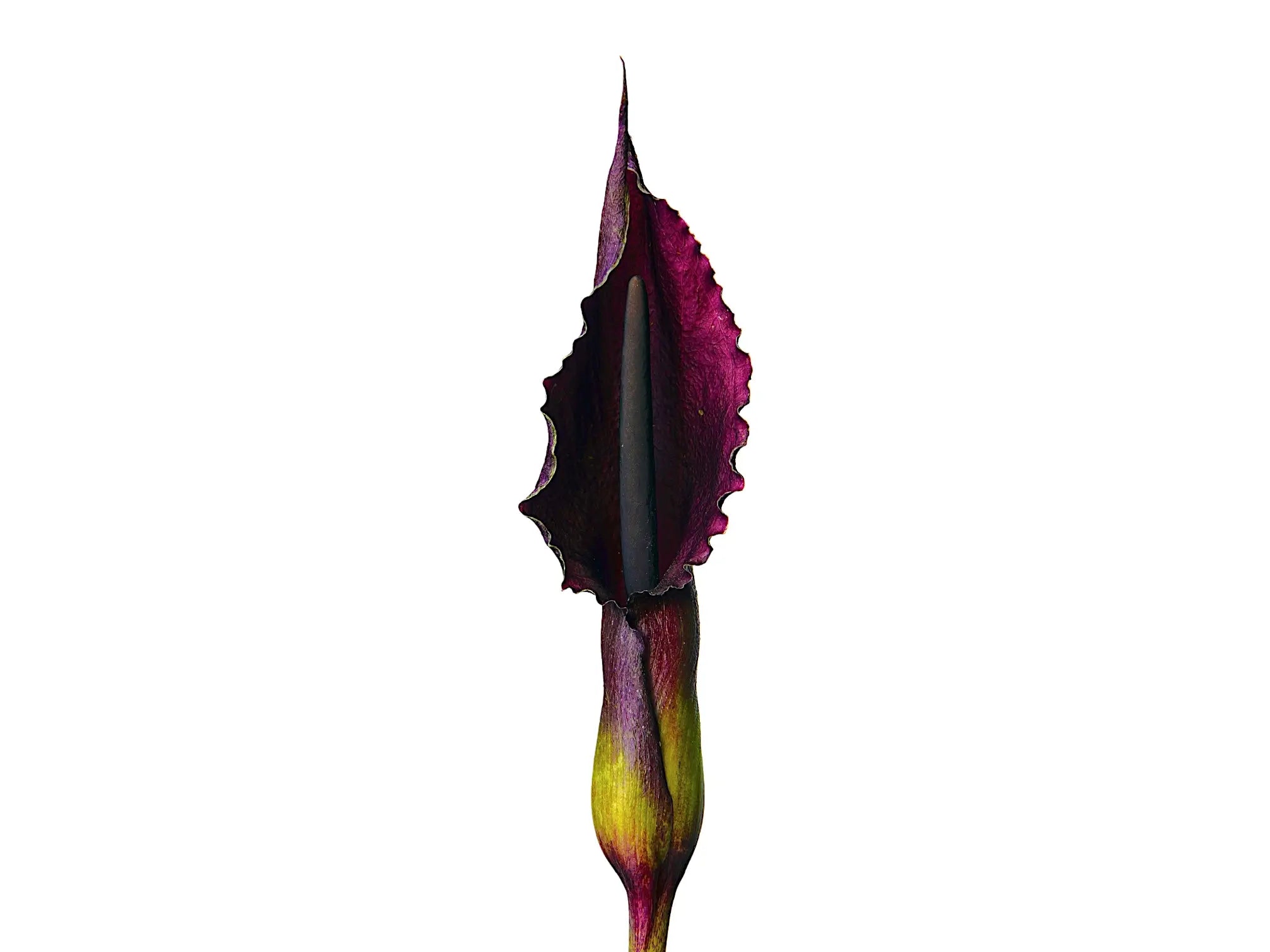
Aroids: The Fabulous Arum Family
Aroids are more than iconic leaves. This deep dive breaks down what defines Araceae, how different aroids grow and reproduce, where they come from, and why some are major food crops. Includes key g...
Read more
Calathea is still the name most plant owners search for, but many familiar houseplants sold under that label are now treated botanically as Goeppertia. Nursery labels, care tags, and shop categories have not fully caught up, so both names still circulate. These are tropical members of Marantaceae with responsive leaves and roots. When light, watering, substrate, temperature, or water quality are off, they show it quickly.
The name change does not change the care. Brown edges can come from dry air, but also from hard water, fertilizer salts, root stress, or uneven moisture. Curling can mean thirst, heat stress, harsh light, or roots that are no longer functioning properly. Slow growth usually points to weak light or a mix that stays wet for too long, not “fussiness.”
Many houseplants still sold as Calathea are now classified as Goeppertia. Both names are still common in shops, so seeing either one is normal. Whatever the label says, these plants do best with bright filtered light, steady warmth, an open but moisture-retentive substrate, and watering that keeps the root zone evenly supplied without leaving it heavy and airless.

Most Calathea problems come back to the same few conditions: light that is too weak or too harsh, roots staying wet for too long, mineral-heavy water, compact substrate, cold air, or abrupt change.
Often both, depending on whether you mean the retail name or the current botanical one. Many popular houseplants long sold as Calathea are now classified as Goeppertia, but nursery tags and shop categories still commonly use Calathea because that is the name most buyers recognize. Seeing both names attached to the same plant is normal.
It means good ambient brightness for much of the day without hot midday or afternoon sun hitting the leaves. Near an east-facing window is often ideal. A few steps back from a bright south- or west-facing window, or behind a sheer curtain, can also work well. If the plant sits in a place that looks dim even at midday, it is probably too dark for steady growth.
It can tolerate lower light than many sun-loving houseplants, but low light is not a good long-term target. In dim conditions, growth slows, leaf size often shrinks, pattern contrast may dull, and the substrate stays wet longer after watering. That increases the risk of root trouble. “Still alive” and “growing well” are not the same thing.
Yes. A grow light can be very useful when natural light is weak, especially in darker months or in homes where window light is limited. The light should be strong enough to keep growth active but not so close that it overheats or bleaches the leaves. Calathea usually does better under a steady, moderate setup than under a very intense lamp placed too close to the foliage.
Check the substrate instead of counting days. Once the upper layer has started to dry, water thoroughly until the root ball is evenly moistened and extra water runs out. Then let the pot drain fully. The aim is a root zone that stays lightly and evenly moist, not constantly saturated. If the mix remains cold, heavy, and wet for days, the issue is usually weak light, a pot that is too large, or a substrate that is too dense.
Calathea does best in a mix that holds some moisture while staying open and breathable. A good houseplant base improved with fine bark, coco chips, perlite, pumice, or another coarse component works well. Avoid dense all-purpose mixes that compact quickly and stay soggy around the roots. These plants want moisture, but the roots still need oxygen.
Most Calathea types look better in moderate to high humidity, especially when they are producing tender new leaves. It is more useful to think in terms of stability than a single magic number. Very dry air can lead to crispy tips, stuck leaves, and faster browning at the edges. Even so, humidity is only one part of the picture. If the roots are stressed by cold, salts, or stagnant substrate, raising humidity alone will not fix the plant.
Yes. Calathea often reacts badly to high mineral content and fertilizer salt buildup. Brown tips and margins are common when tap water is very hard or when fertilizer is too strong or too frequent. If you keep seeing edge browning despite decent light and careful watering, try rainwater, filtered water, or another lower-mineral source. Flushing the mix thoroughly from time to time also helps wash out accumulated salts.
Most commonly grown types do best in steady warmth, roughly around 18–27 °C. Trouble often starts with cold windows, draughty doors, or strong airflow from heaters and air conditioning. Repeated shifts between warm and cold slow growth and make leaf damage more likely, even when watering seems reasonable.
Ignore room names and judge the actual conditions. Look for bright filtered light, stable temperatures, no strong hot or cold air blasts, and enough space for leaves to move and unfurl without constant rubbing. A room that sounds humid on paper may still be too dark or too cold. Conditions matter far more than the room itself.
Feed lightly and only when the plant is in active enough conditions to use it well. A balanced fertilizer at a modest dilution is usually safer than full-strength feeding. Calathea is not a heavy feeder, and overfeeding often shows up as browned tips, stalled roots, or patchy leaf edges. If the substrate is already tired or salty, adding more fertilizer usually makes the problem worse.
Calathea leaves show stress early, but the same symptom can have more than one cause. Check the whole setup, not just the damaged leaf.
Dry air is only one possible cause. Brown margins can also come from hard water, fertilizer salt buildup, inconsistent watering, root stress, or damage while leaves were unfurling. If the browning is thin and dry along the edges, start by checking water quality, substrate condition, and how evenly the root ball stays moist. A humidifier can help when air is extremely dry, but it is rarely the whole answer.
Curling is a general water-balance stress signal. The plant may be too dry, too hot, in overly strong light, or struggling because the roots are not functioning properly. If the substrate is bone dry, water thoroughly. If the mix is wet but the leaves still curl, think root stress rather than thirst. A plant with damaged or suffocating roots can look dehydrated because it cannot take up water properly.
An occasional old leaf fading and being replaced is normal. Widespread yellowing is not. That usually points to root-zone trouble: overly wet substrate, lack of oxygen, a depleted or compacted mix, or light that is too weak for the amount of water being given. If only the oldest leaf at the base is fading, that is often just normal turnover. If several leaves are yellowing together, inspect the roots and substrate before changing anything else.
Too much direct sun can bleach the pattern and fade the color, especially on thinner, more delicate leaves. Deep shade can also make the plant look dull, but in a different way: growth slows and new leaves may emerge smaller with less contrast. If the foliage looks bleached or scorched on the side facing the window, the light is likely too harsh. If the whole plant looks dull and static, the light is probably too weak.
First, make sure you are not confusing stress droop with normal daily movement. Prayer-plant relatives raise and lower their leaves as part of a day-night rhythm. Stress droop looks limp or collapsed rather than simply repositioned. It can come from dry substrate, overheated leaves, cold shock, or roots that have sat wet for too long. Check the substrate and recent conditions before adding more water.
Leaf drop usually means the plant has been pushed past mild stress. Common triggers are a root ball that has stayed wet too long, severe drying, cold drafts, sudden environmental change, or roots disturbed by rot or repotting. Check whether the falling leaves are yellow first, collapsing from the base, or dropping while still green. That pattern helps tell you whether the problem is age, moisture stress, or shock.
New growth can stick when the plant is under dry-air stress, when moisture has swung between too dry and too wet, or when the leaf tissue developed under weak or unstable conditions. Mechanical damage also happens if leaves rub while unfurling. Keep moisture steady, improve humidity if the air is very dry, and avoid forcing stuck leaves open. Once a leaf has torn, it will not repair itself, but better conditions usually improve the next one.
Large dry patches often point to sun scorch or physical damage. Smaller scattered spots may come from salts, cold water splashing on warm leaves, or leaf-spot disease if the tissue looks water-soaked, soft, or haloed. If damage is mostly on the brightest side of the plant, light is the first thing to check. If spots are spreading and look wet rather than crisp, remove badly affected leaves and review airflow, watering practice, and overall hygiene.
Low light is a very common reason, especially when the plant has been placed somewhere that is merely tolerated rather than useful for growth. Other common causes are compacted substrate, root bind combined with exhausted mix, cold conditions, or root damage from chronic overwatering. Not every Calathea is fast, but it should still produce new leaves when conditions are right.
Leaf movement varies by type, age, light level, and overall health. A plant under stress may move less dramatically, especially if the leaves are dehydrated, damaged, or weakened by poor roots. Very low light can also make the daily rhythm less obvious. A change in movement is worth noticing, but it is not a diagnosis on its own. Read it alongside the plant’s growth, leaf condition, and root health.
Start by stopping the conditions that caused the problem. If the mix is heavy, sour, or staying wet for too long, unpot the plant and inspect the roots. Trim away roots that are mushy or collapsing, then repot into a fresh airy mix in a pot with drainage holes. Do not add gravel or pebbles to the bottom of the pot; that does not improve drainage in the root zone. After repotting, keep the plant warm and in bright filtered light, and water carefully while it rebuilds roots.
No. Brown edges, tears, scorch marks, and yellowed tissue stay damaged. The goal is to improve the next leaves, not to reverse the current ones. If only the tips are brown, you can leave the leaf in place because it still contributes energy. If a leaf is mostly damaged or collapsing, remove it cleanly at the base.
Calathea can pick up common houseplant pests, especially when growth is soft or the plant is already stressed. Early detection makes treatment much easier.
Spider mites often show up first as fine speckling, a dulled surface, or a slightly dusty look to the leaves. Severe infestations may produce webbing, but by that point they are already well established. Check the undersides of leaves, especially if the air has been very dry and warm. Clean foliage and regular inspection make them easier to catch early.
Isolate the plant first. Then rinse the foliage carefully, paying attention to the undersides. Follow with insecticidal soap or another suitable direct-contact treatment, and repeat at the correct interval because one application will not catch every life stage. Calathea leaves can be sensitive, so always test a small section first and avoid applying products in strong light or heat.
Thrips often leave silvery scarring, distorted new growth, or tiny dry patches that later tear or look translucent. You may also spot black specks of waste on the leaf surface. Because thrips often target tender new tissue, they can badly deform emerging leaves. Treat early and repeat the treatment cycle properly. One quick spray is rarely enough.
Remove visible pests manually first, especially from leaf bases, midribs, and tight crevices. Then use a suitable treatment and repeat it until fresh activity stops. With Calathea, patience matters because leaves can hide insects where the blade meets the petiole. Check nearby plants too, especially if they touch.
Fungus gnats are usually a sign that the substrate is staying wet and organic for too long. Sticky traps help catch adults, but the real fix is in the root zone: improve drainage, lighten the mix if needed, and let the upper layer dry a little more between waterings. Treating larvae may be necessary if the population is large, but changing the moisture pattern is what breaks the cycle.
Use it carefully if you choose to use it at all. Oily treatments can mark or stress sensitive leaves, especially if they are applied too strongly or in bright light. Test a small section first, keep the dilution conservative, and never spray when the leaves are warm from sun or lamps. In many cases, insecticidal soap or another direct-contact treatment is the safer first option.
Yellowing leaves, limp growth despite wet substrate, a sour smell, blackened roots, or roots that slip apart when touched all point toward rot. Root rot is not simply “too much water.” It is a lack of oxygen around the roots, usually caused by a dense mix, a pot that stays wet for too long, or repeated watering when the plant is not using moisture fast enough.
Remove badly affected leaves, keep foliage clean, and improve airflow around the plant. Spots that look water-soaked, soft, or haloed are more concerning than dry old damage. Avoid leaving leaves wet for long periods in stagnant air, and keep tools clean when pruning. Mild cases may stop spreading once conditions improve. Fast-moving soft lesions need quicker isolation and action.
Check new plants before they join the collection, inspect leaf undersides regularly, and do not let dust hide early pest signs. Good light, functional roots, and steady watering make the plant easier to monitor and easier to recover if something appears. Prevention is mostly about spotting problems while they are still small.
Calathea is best propagated by division, not by stem cuttings. Growth rate varies by type, but most commonly grown plants respond well when the roots are healthy and the light is stronger than many old care tags suggest.
Division is the standard and most reliable method. Unpot the plant, identify natural clumps or growth points, and separate sections that each have their own roots and foliage. Very small divisions can work, but they recover more slowly and are easier to stress. Larger pieces with a decent root mass usually re-establish faster.
Not in the way you would propagate many vining or cane-forming houseplants. Calathea does not usually produce the kind of stem cutting that roots reliably into a new plant. If you want more plants, division is the method to use.
The best time is when the plant is actively capable of producing new roots and leaves under good light and stable warmth. In practice, that usually means repotting or dividing once growth is already underway rather than when the plant is stalled. Do not repot a weak plant into a much bigger pot and expect that alone to solve the problem.
Water the plant a day ahead if the root ball is very dry, then unpot gently and tease away just enough substrate to see the natural divisions. Use clean tools if you need to cut. Keep each division with a healthy share of roots, and repot into a loose mix that is only slightly larger than the root mass. Then keep warmth and light stable while it settles. The less root damage you cause, the faster recovery usually is.
Go only a little larger than the current root ball. A pot that is too large stays wet for too long and makes moisture management harder. For Calathea, that usually creates more problems than it solves. Good drainage holes are essential, but drainage depends mainly on the mix and pot size, not on adding stones or pebbles to the bottom.
Keep the plant warm, in bright filtered light, and evenly moist without making the mix heavy. Do not put it straight into harsh sun, and do not start feeding heavily right away. Freshly disturbed roots need stability more than anything else. A brief pause in growth after division or repotting is normal.
Recovery depends on how much root mass was disturbed and how good the conditions are afterward. A lightly disturbed plant in strong conditions may continue almost without pause. A heavily divided plant may rest for a while before pushing new growth. During recovery, keep the substrate evenly moist but not heavy, avoid direct sun, and do not overfeed in an attempt to force growth.
Better light, healthier roots, and steadier moisture do more than anything else. Plants kept too dark often stay small even when every other care point looks reasonable. If you want fuller, stronger growth, improve usable light first, then check whether the root zone is airy and active. Higher humidity alone will not compensate for a weak setup.
Most of the details below only seem complicated because these plants respond quickly to change. Once the basic conditions are right, the patterns make sense.
This is normal nyctinastic movement, a daily change in leaf position linked to the plant’s internal rhythm. Leaves often lift more at night and settle differently during the day. It is one reason these plants are called prayer plants. The amount of movement varies by type, age, and growing conditions, so less dramatic motion does not automatically mean something is wrong.
Misting can briefly wet the leaf surface, but it does not reliably raise ambient humidity in a meaningful, lasting way. It also does nothing to fix poor roots, harsh light, or hard water. If the air is genuinely too dry, a humidifier or a more stable growing setup helps far more. Misting is not a serious humidity solution.
Not much. They may create a tiny pocket of moisture right above the tray, but the effect is usually too small to change the wider conditions around the plant in a meaningful way. If a Calathea is suffering from very dry air, a humidifier, grouped plants, or a more controlled setup is much more useful.
Some smaller types do very well in more enclosed setups because humidity and warmth stay steadier there. The risk is stale air and overly wet substrate, so ventilation still matters. A cabinet or terrarium works best when the light, airflow, and watering routine are balanced rather than simply wet and closed.
Calathea is generally regarded as non-toxic to cats and dogs. That does not make chewing a good habit, because damaged leaves stay damaged and any plant material can still upset the stomach in quantity, but these plants are not usually in the same concern category as more toxic houseplants.
Yes, if the outdoor conditions are genuinely suitable. That means warm temperatures, protection from direct sun, and shelter from drying wind. A shaded outdoor spot in stable summer weather can suit Calathea very well. Sudden exposure to strong sun, cool nights, or wind does the opposite. Acclimate slowly and bring the plant back in before temperatures drop.
Do not repot immediately unless the plant is clearly in failing substrate or rotting. First give it stable warmth, bright filtered light, and careful watering while it adjusts. Shipping stress often shows as curled or marked leaves, but a plant can still recover well if the roots remain sound. Let it settle before making several changes at once.
Some do, but most commonly grown houseplant forms are kept for their leaves rather than their flowers. Indoor blooms are often small, occasional, or not especially showy compared with the foliage. If your plant never flowers indoors, that is normal. Clean leaf growth is a much more useful sign that conditions are working.
Wipe them gently with a soft damp cloth. This keeps the foliage looking good, improves light capture, and makes pests easier to spot early. Avoid heavy leaf-shine products that leave residue.
You can trim fully dry brown margins for appearance if you want, but use clean scissors and do not cut into healthy green tissue. If a leaf is only slightly marked, leaving it in place is usually better because it still contributes energy. Trimming is cosmetic; the important part is fixing what caused the browning in the first place.
If your Calathea is struggling, work through these points in order:
Once those basics are right, Calathea usually stops feeling difficult.
Explore our collection of Calathea and Goeppertia plants, with plant-specific information to help you match the right type to your conditions.
For more advice on watering, light, humidity, substrates, and common plant problems, browse the full care library.
Aroids: The Fabulous Arum Family
Aroids are more than iconic leaves. This deep dive breaks down what defines Araceae, how different aroids grow and reproduce, where they come from, and why some are major food crops. Includes key g...
Read more
Fungus Gnats in Houseplants: The Ultimate Guide to Identification, Management, and Prevention
Fungus gnats love persistently damp potting mix. This guide helps you identify them, understand the lifecycle, and choose effective fixes—from drying cycles and sticky traps to nematodes, BTI, and ...
Read more
Leave a comment
This site is protected by hCaptcha and the hCaptcha Privacy Policy and Terms of Service apply.