




Araceae
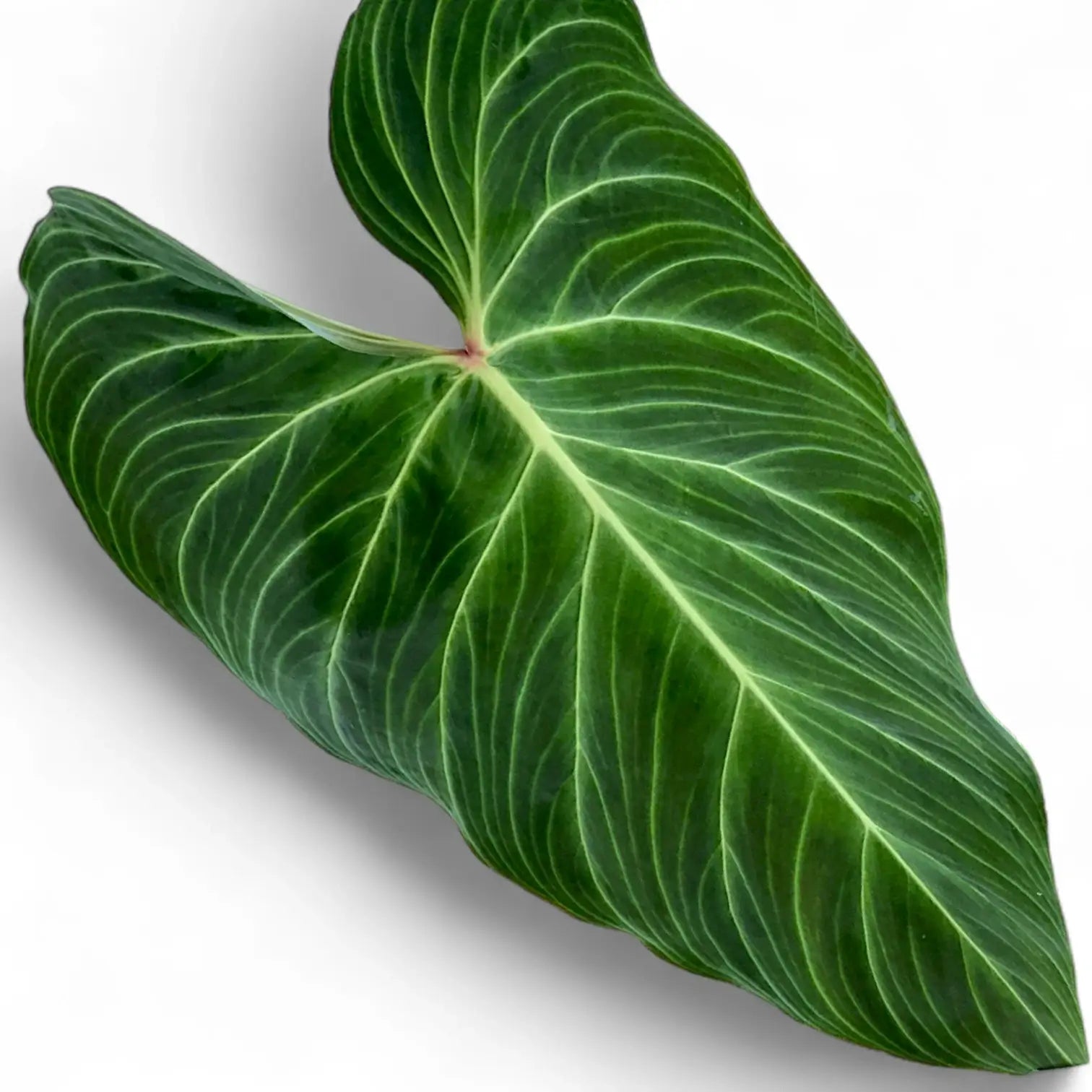
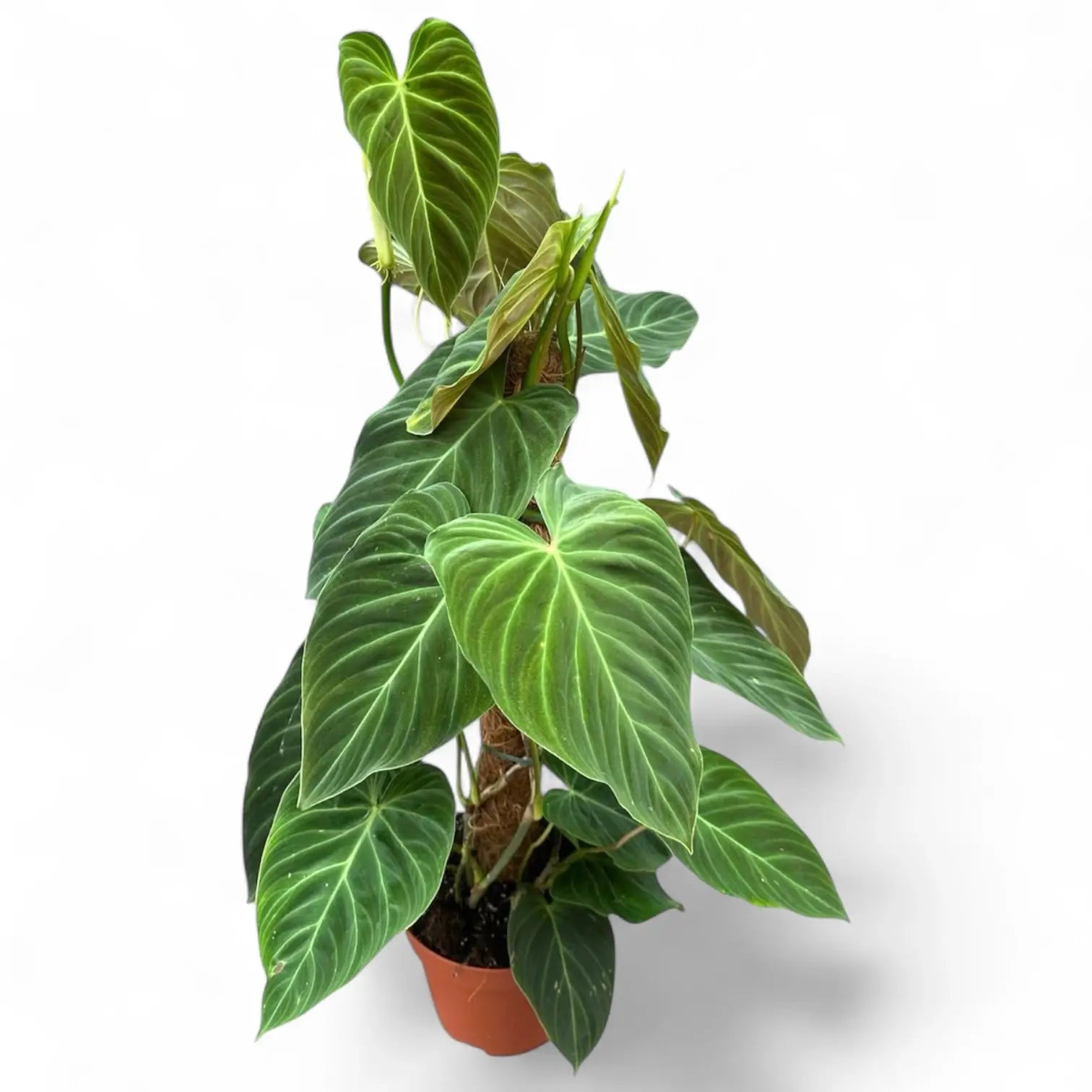
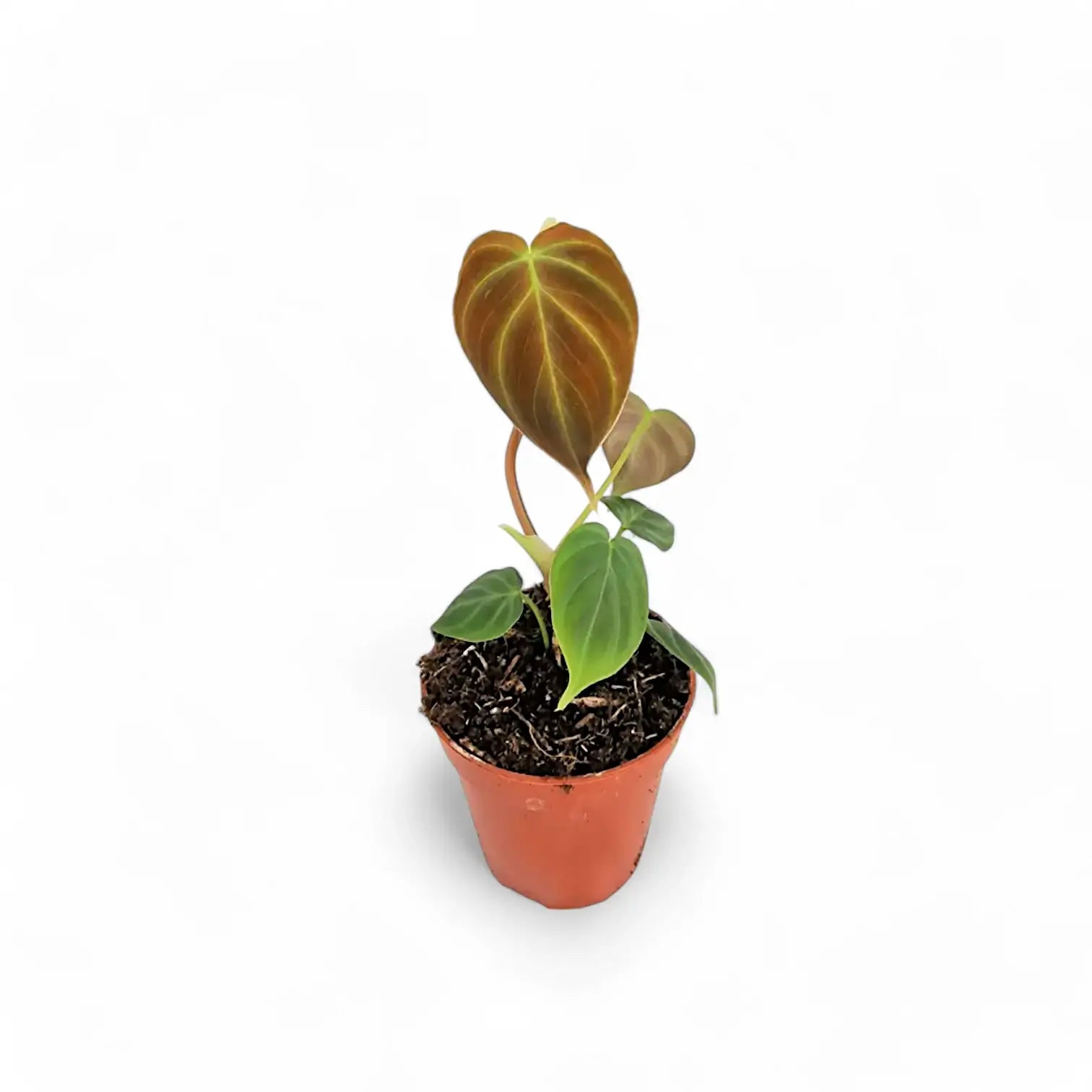
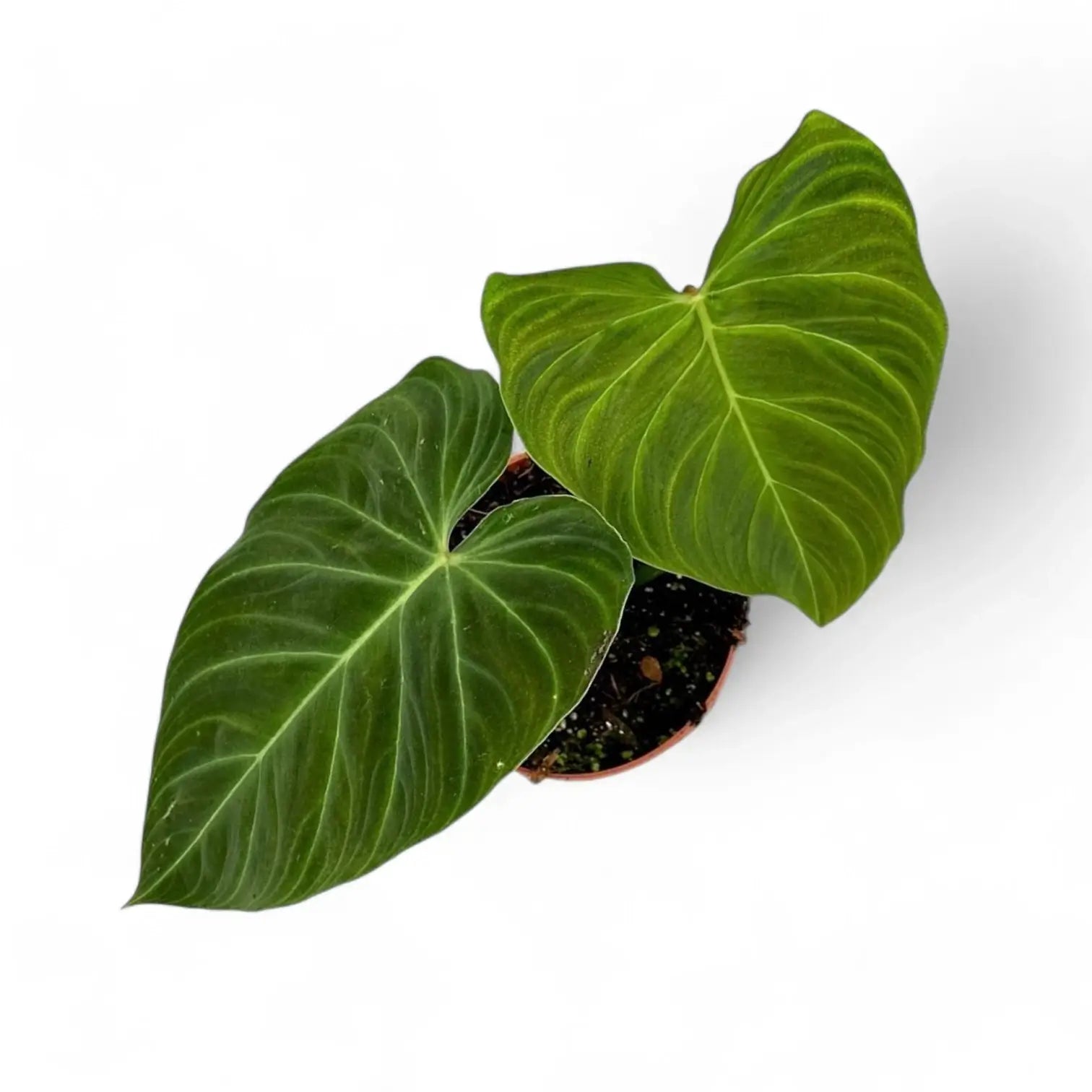
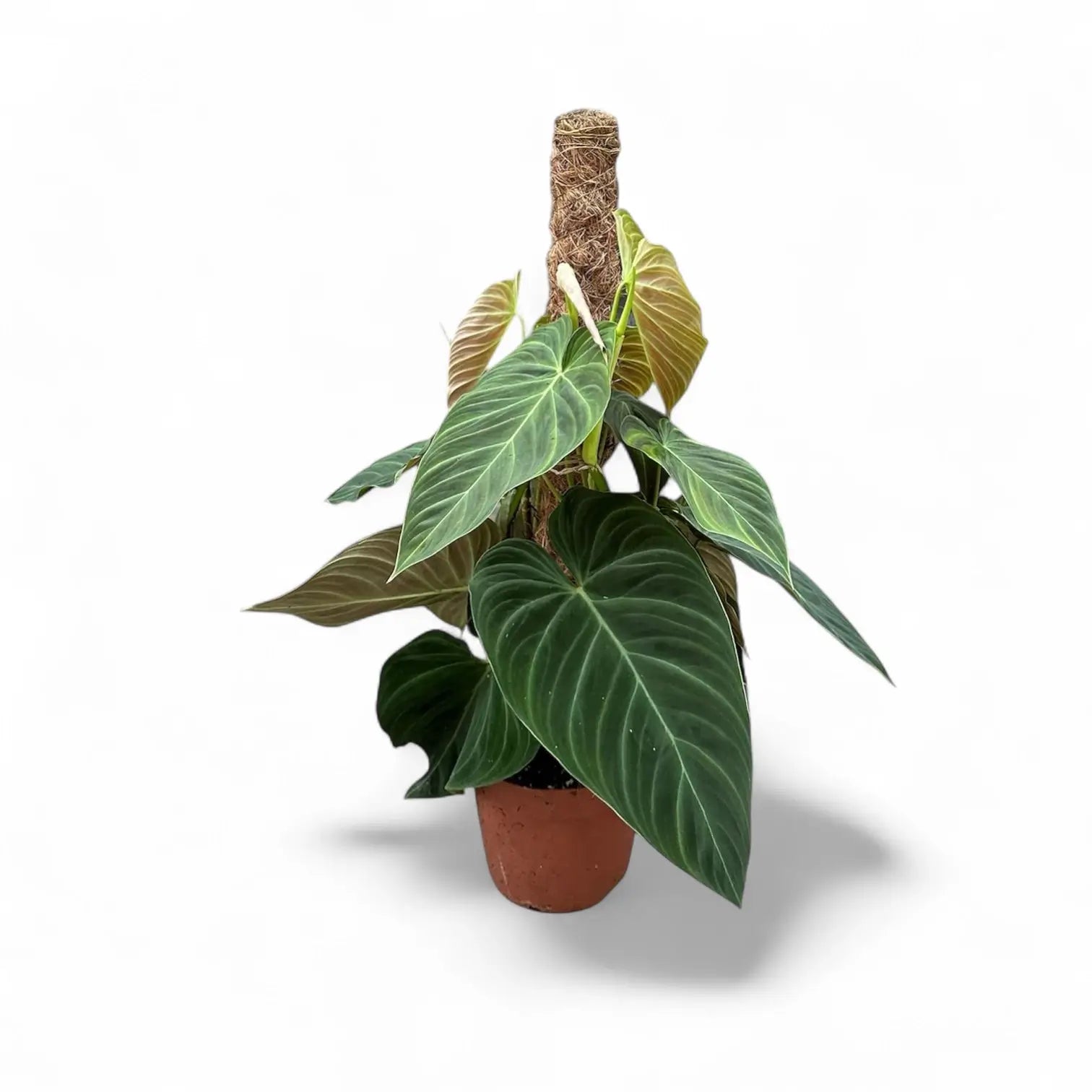
Philodendron 'Splendid' (verrucosum x melanochrysum)
VAT included · plus
- Curated selection:
Every plant is hand‑picked for health and visual appeal, so you receive a strong, well‑established plant.
- Representative photos:
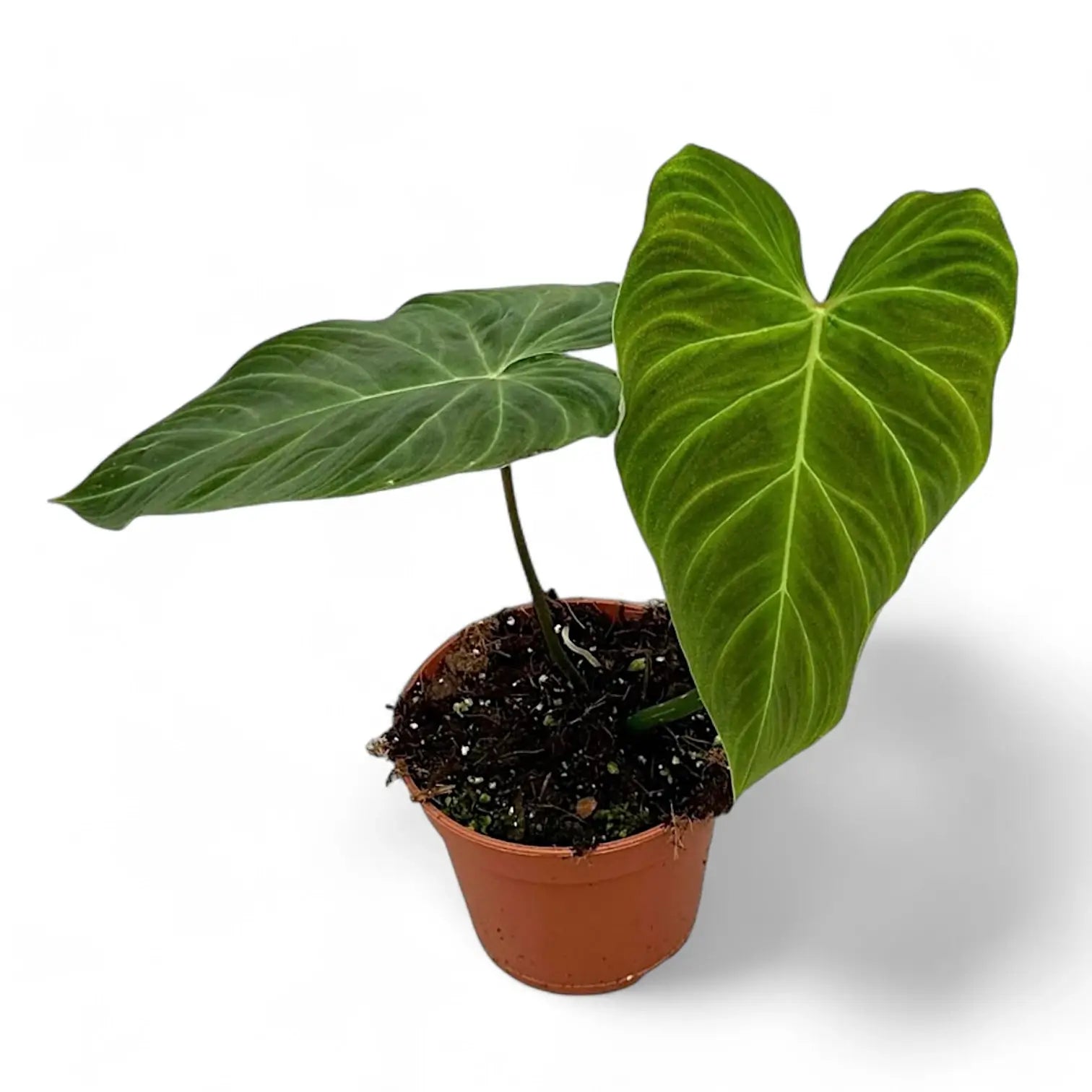
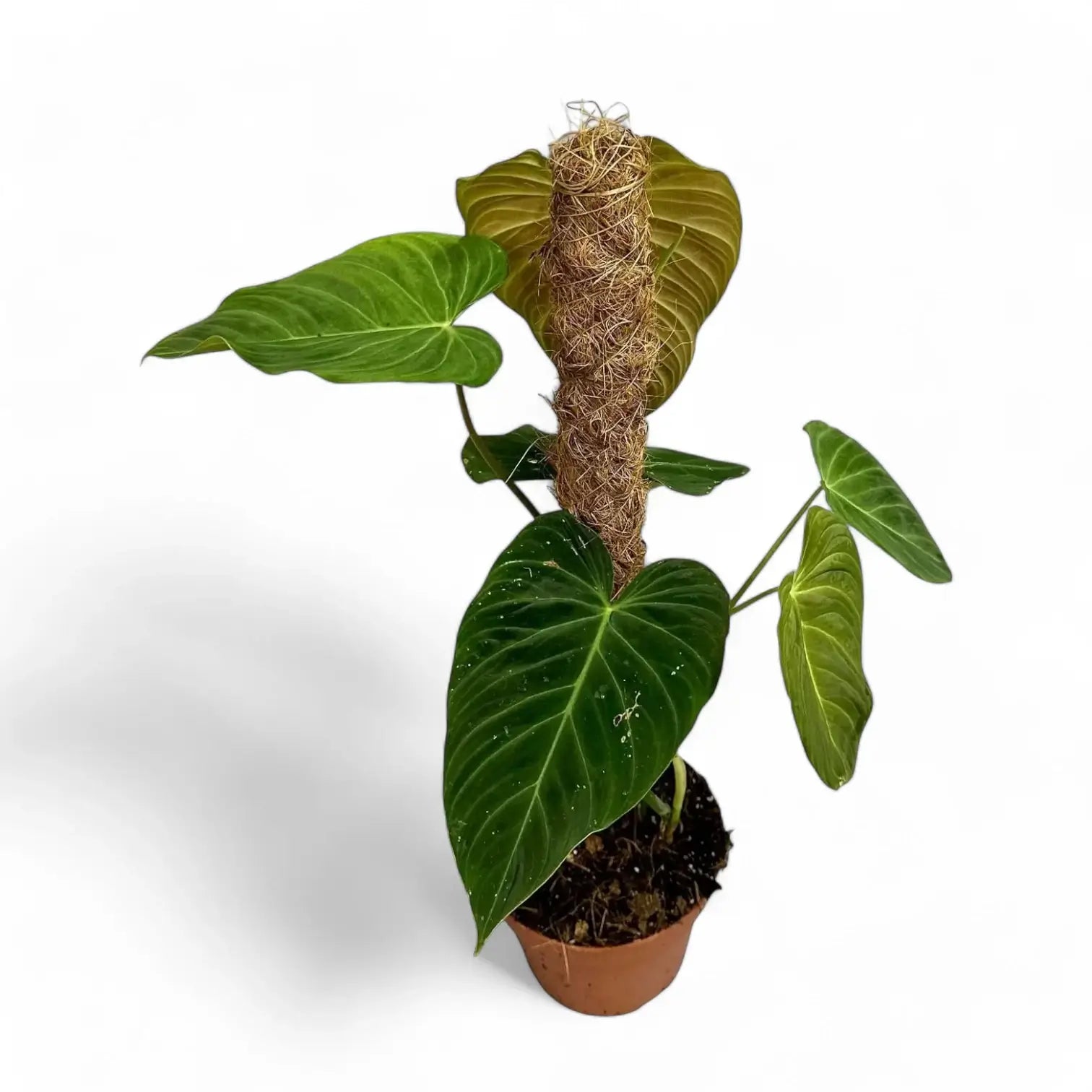
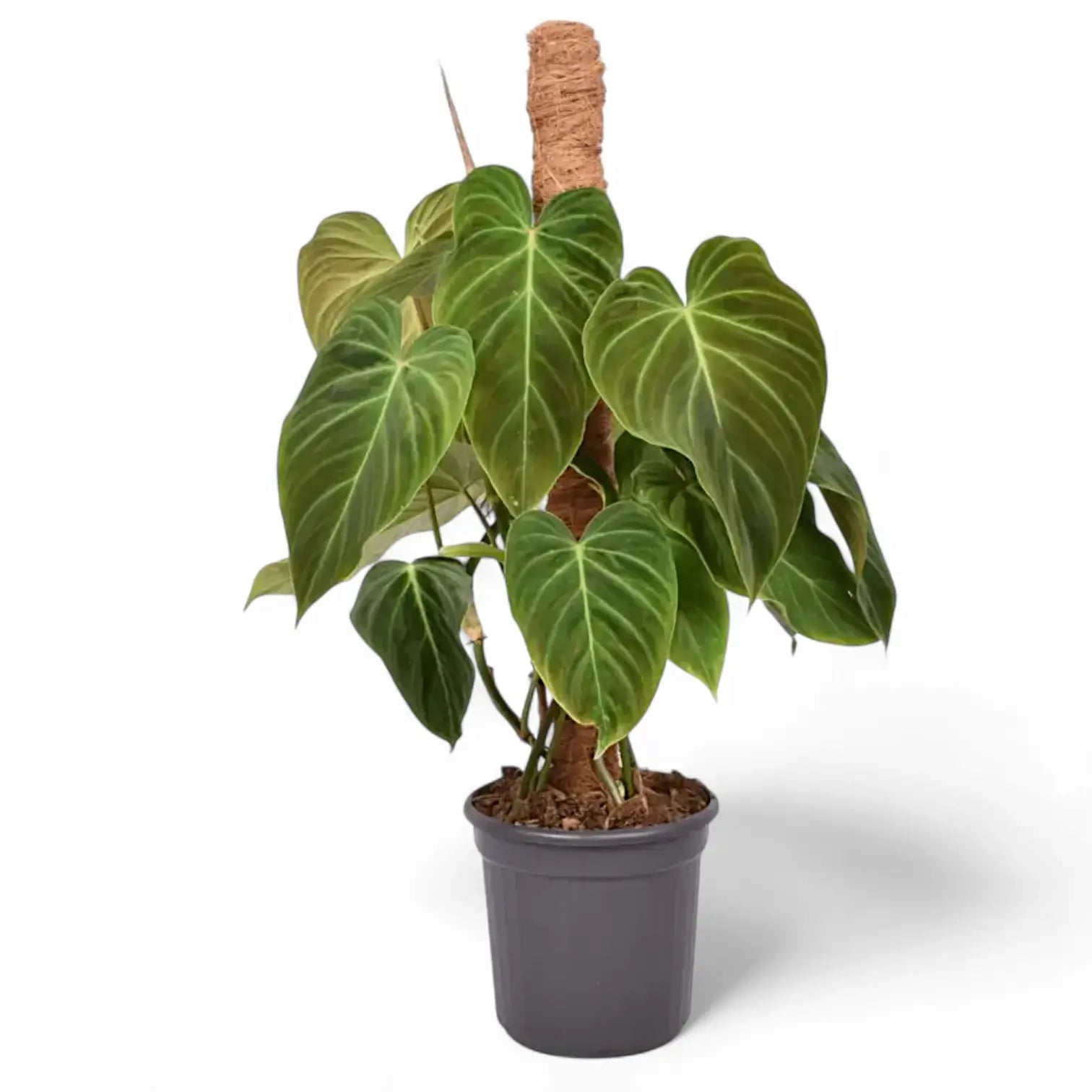
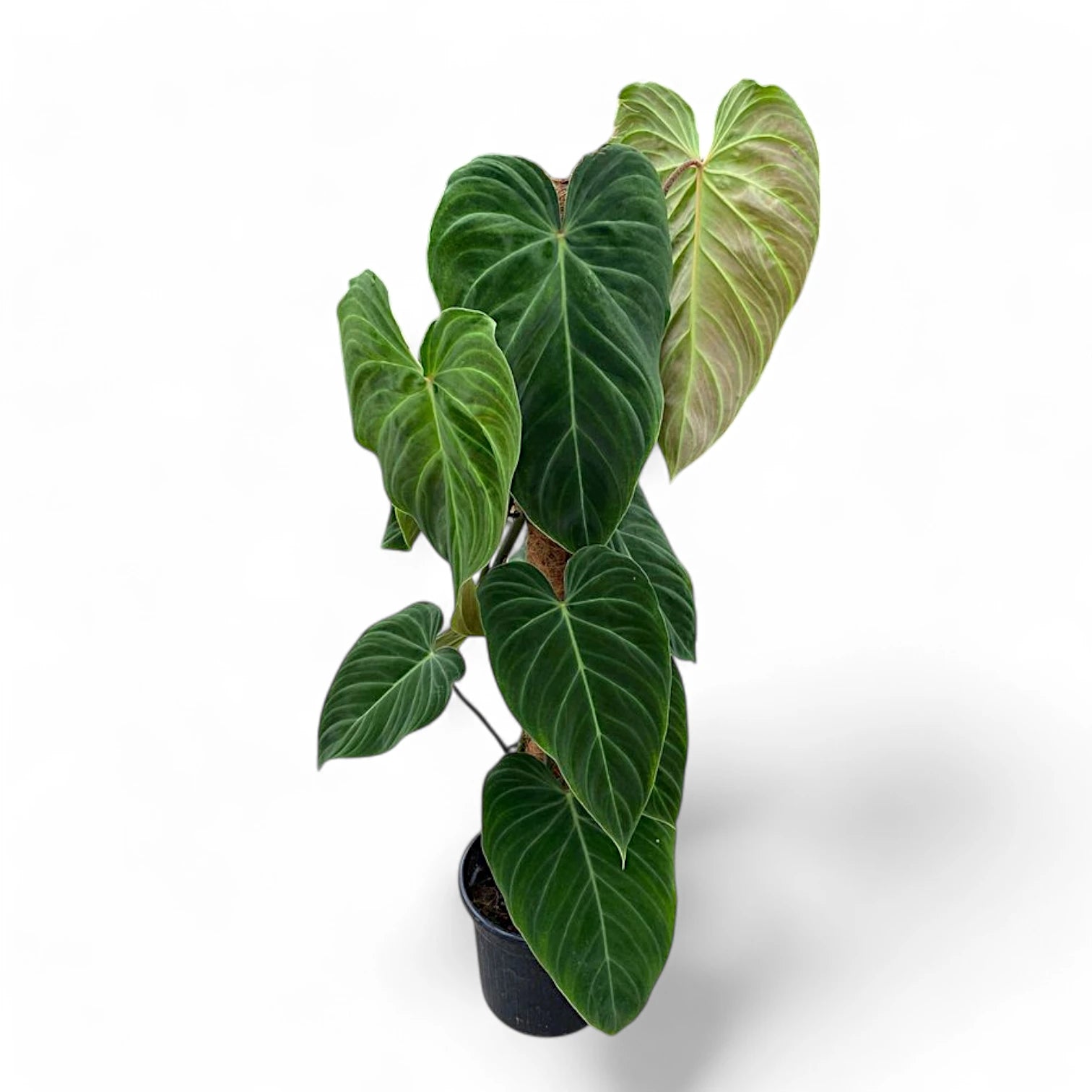
Product images show a typical plant of this variety. Natural differences in leaf number, shape or variegation are normal – your plant will still match in type and quality.
- Size details:
Listed sizes refer to pot diameter (cm) and approximate overall height (cm) from the base of the pot to the tallest leaf or stem.
- “Get What You See” items:
If you are buying the exact plant shown in the photos, this is clearly stated in the size section.
- Individual photos:
One‑off photos are only provided when this is explicitly mentioned in the size section. - For special traits or small quirks, please check the full product description.
Secure shipping – carefully packed orders with safe delivery across the EU, UK and Switzerland.
28-day plant guarantee – if a plant arrives damaged or fails soon after delivery, we help you make it right.
Free returns – simple, cost-free returns according to our policy.
For full details, please see:
Please head to our FAQ Page or Contact us.
Interested in Philodendron 'Splendid' (verrucosum x melanochrysum)? Worth reading:

Have a Question about Philodendron Plants? Here are the answers!

The Complete Aroid Substrate Guide: Match Mix to Roots
Philodendron 'Splendid' (verrucosum x melanochrysum) at a glance:
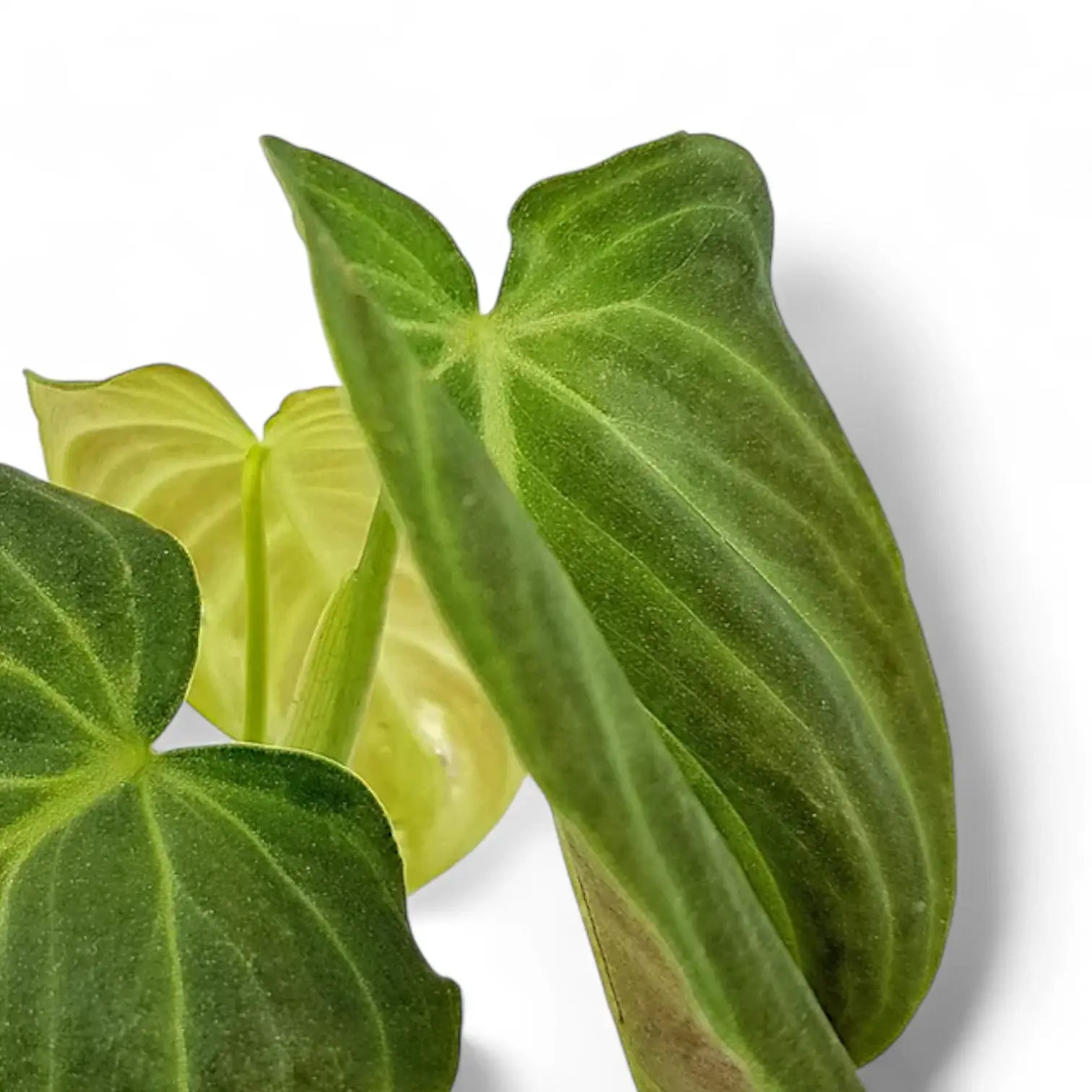
Philodendron 'Splendid' is a hybrid of Philodendron verrucosum and Philodendron melanochrysum, combining long velvet leaves with warm coppery veins and a strong climbing habit. It reads more elongated than many velvet aroids, and once it finds a pole the foliage scales up quickly into a tall, narrow display rather than a wide ground-level one.
Bright, indirect light is enough to keep the surface dark and soft without scorching, while watering after the top 10–15% of the mix has dried helps prevent the root trouble common in velvety species grown too wet. It prefers temperatures around 18–27 °C, humidity in the 60–80% range, and a breathable mix built around bark, coir, and perlite.
Monthly light feeding and early support make a visible difference in leaf size, texture, and overall balance indoors.

%20at%20a%20glance:Philodendron%20'Splendid'%20is%20a%20hybrid%20of%20Philodendron%20verrucosum%20and%20Philodendron%20melanochrysum,%20combining%20long%20velvet%20leaves%20with%20war...)
Philodendron 'Splendid' (verrucosum x melanochrysum)
Quick Care Guide
Light
Bright indirect • approx. 10,000–20,000 lux
Water
Water when ~30–50% dry
Substrate
Airy + fast-draining • Light moisture buffer • Bark-based • Medium-chunky
Temperature
Ideal: 18–29 °C • Avoid below: 15 °C
Humidity
Humid 60–80 % +
Growth habit
climbing vine
Support
optional
Growth speed
High
Max size indoors
Max. height with support: 200 cm • Max. spread: 90 cm
Toxicity & safety
Toxic
Origin & habitat
Hybrid of Philodendron verrucosum and Philodendron melanochrysum
How to read these metrics
These metrics are standardised reference points. We compile them by reviewing and cross-checking multiple botanical and horticultural references, then refining them through real-world growing experience. Source links: Plant Care Resources.
Please use the values as guidance. Conditions vary by home, so the same plant can respond differently. For plant-specific context, read the full product description and browse our Plant Care Guides.
- Light: level + approximate lux at leaf level;
- Watering: “% dry” is the trigger before watering again; lower % stays more evenly moist.
- Potting mix: one-line profile (structure/drainage • moisture buffer • base • particle size).
- Temperature: “Ideal” comfort range; “Avoid below” marks higher stress risk.
- Humidity: target bands (Normal/Moist/Humid); consistency usually matters most.
- Growth habit: growth form (rosette, trailing, climbing) for placement and training.
- Support: needed/optional/none — whether stake, pole, or trellis improves structure and size.
- Growth speed: fast/average/slow under decent indoor conditions—expectations, not a promise.
- Max size indoors: realistic long-term potential; format differs for climbers vs. trailers.
- Toxicity & safety: chemical irritants/toxicity and physical hazards (spines, bristles).
- Origin & habitat: native region + typical biome/habitat as context.
Plant Care Basics:
- Care basics – Main hub with links to all houseplant care guides.
- After delivery & first week – Unpacking, first placement, and early recovery.
- Light – How much light houseplants really need indoors.
- Watering – When to water and how to avoid root rot.
- Substrates & roots – Potting mixes and drainage for strong root systems.
- Humidity – When humidity matters and what actually helps.
- Fertilizing – Simple feeding routine without burning roots.
- Problems & pests – Yellow leaves, brown tips, bugs, and fixes that work.
- Semi-hydro – How to run low-maintenance mineral substrates.
Your new plant has just travelled a long way and needs a calm start in its new home. For step-by-step unboxing and first-week care, check our after-delivery care guide. For deeper tips on how your plant settles in over the next weeks, read our houseplant acclimatization guide.

Philodendron 'Splendid' (verrucosum x melanochrysum)
Sale price €12,00